
Reviewed · MULTI-DAY GEORGIA TOURS FROM TBILISI
7-Day Georgian Highlights Tour from Tbilisi
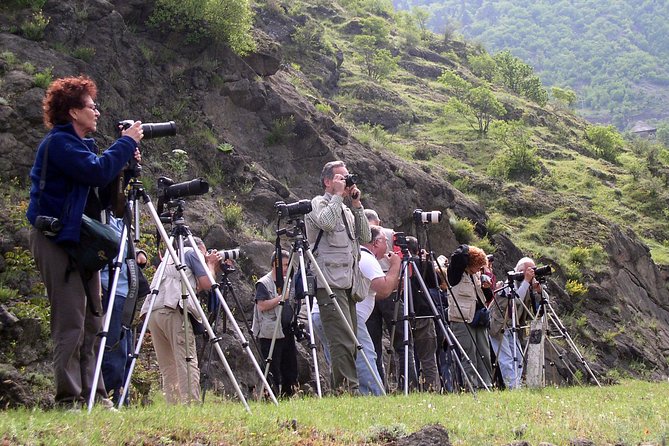
This is the kind of Georgia trip that feels like a smart hit list, but not a rushed blur. You get small-group pacing (max 15 people), guided stops at major sights, and a route that links Tbilisi, UNESCO Mtskheta, big mountain scenery around Kazbegi, and the cave towns of Samtskhe-Javakheti.
I especially like that the plan includes all entrance fees, plus dinner and breakfast. I also like the human factor, the guides and organizers with names you might see referenced, like Mariam, Manana Tsiramua, Giogi, Nana, George, and Lasha, who focus on smooth details and friendly explanations.
One consideration: this is a road-heavy 7 days, so you need to be okay with long drives between regions. Also, the tour runs in all weather, so pack for cold and rain if you are visiting outside peak summer.
Key things that make this tour worth your time
- All entrances handled: you do not spend your day bargaining at ticket windows
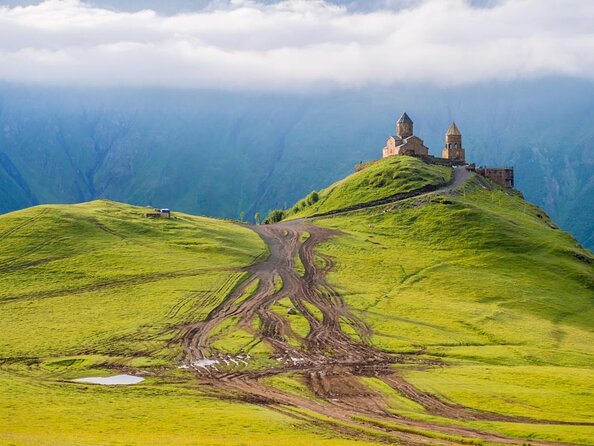
- Small group format: max 15 people, so questions and photos actually work out
- Professional guide energy: names like Giogi and Lasha show up in past group experiences
- Big stops in a logical route: Tbilisi, UNESCO Mtskheta, Kazbegi, Uplistsikhe, Borjomi, Rabati, Vardzia
- One special ride for the mountains: a local jeep is included for Kazbegi day
- Comfort details included: air-conditioned car most days, bottled water, hotel pickup and drop-off
Tbilisi Day 1: Trinity Cathedral, Shardeni Street, and Narikala by Cable Car
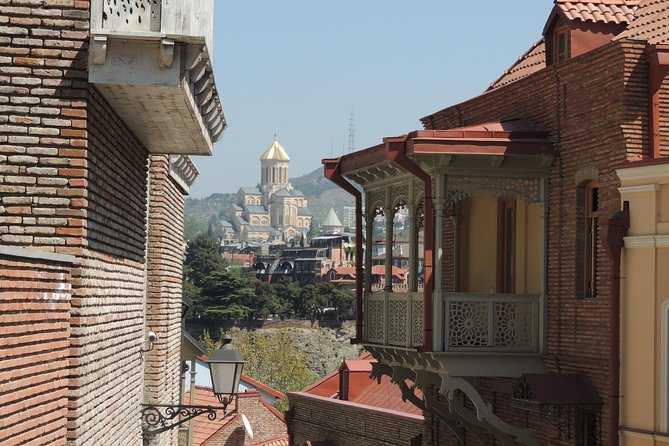
Tbilisi’s first hour can set the tone for the whole trip, and this schedule gets you there fast. You start at the Holy Trinity Cathedral, a modern giant finished in the 1995 to 2004 window and known as Georgia’s highest church. It is also a place where many children are baptized each year, which gives the cathedral a living, local feel instead of a museum-only vibe.
Next comes a walk on Jan Shardeni Street, a compact old-town lane dotted with tiny sculptures. It is a small stop, but it helps you get your bearings, especially if you are the type who likes to read a city by its details.
You then visit Sioni Cathedral, originally dating to the 6th to 7th centuries, later rebuilt after destructions. The current cathedral traces to the 13th century, so you get a sense of how the city keeps restarting itself across centuries.
From there, you ride up to Narikala Fortress by cable car. The climb is short but the views are wide, and you learn the fortress goes back to the 4th century AD, even though today’s structures date from later periods like the 7th and 12th centuries. If you only do one viewpoint in Tbilisi, make it this one.
To round out day 1, you drop into the old city for Abanotubani, the sulfur bath district. You can see the Tbilisi Mosque, noted as the only surviving one from the 18th century, and you walk toward Legvtakhevi for a waterfall nearby. The day ends with time around Meidan Square, plus Sharden and Erekle II streets, where you will find cafés, bars, pubs, souvenirs, and art galleries.
Tip for your own comfort: wear shoes you can walk in for that old-town portion, because the best parts are on foot.
Longer tours running out of Tbilisi:
- Discover Georgia: A 4-Day Private tour from Tbilisi
★ 5.0 · 53 reviews - Best of Armenia: private 2-3 days tour to Yerevan w/ family lunch
★ 5.0 · 38 reviews - Private 4-Day Tours & Transfers from Tbilisi to Top Georgia Spots
★ 5.0 · 36 reviews
A Guide and Operator You Can Rely On, from Mariam to Lasha
The best part of this kind of tour is not the buildings, it is the handoff between them. I like how this one is set up so you are not left translating everything by yourself. You travel with an English-speaking guide-driver for all days except the last day, and you also get hotel pickup and drop-off.
The company behind the tour, Georgian Holidays, shows up in past feedback with a pattern of careful coordination. People have credited organizers like Mariam for planning and updates, plus leadership like Manana Tsiramua for shaping itineraries for families and couples. On the ground, names like Giogi and Lasha come up as guides who explain clearly, stay helpful, and keep the day running.
There is also a built-in small-group ceiling, up to 15 travelers. That matters more than it sounds. With a larger crowd, you spend your time waiting. With a smaller crowd, you actually get to ask the question that popped into your head while you are standing in front of a church or cave complex.
One more practical note: this tour provides bottled water and uses a comfortable air-conditioned car on most travel days. That is not glamorous, but it is smart. It keeps you functional when you hit longer drives between regions.
UNESCO Mtskheta: Svetitskhoveli, Jvari, and the robe connection
Day 2 is where the trip turns from city sightseeing into sacred geography. You drive from Tbilisi to Mtskheta, the ancient capital of Eastern Georgian kingdom Iberia, and you focus on two major UNESCO-listed sites.
First is Svetitskhoveli Cathedral, an 11th-century architectural wonder. The big reason people remember this place is tied to a Christian relic connection: it preserves the robe of Jesus Christ. Even if you approach history in a secular way, the story explains why Mtskheta stayed important and why the architecture feels charged.
Then you head up to Jvari monastery, a 6th-century site positioned on a hill overlooking the city. The best part is the view, especially the confluence of two rivers, Aragvi and Mktvari. This is the kind of location where the geography feels like part of the theology, because the landscape is part of the framing.
After that, you visit Ananuri Fortified Castle Ensemble, dated to the 16th to 17th centuries. You are looking at churches, fortifications, and residential buildings, and you hear how this complex served as a seat for local dukes. It is a good counterpoint to the religious sites, because it shows how power and faith overlapped here.
Time-wise, this is not a frantic day, but it does stack a lot of stops. The value is that you get a clear historical thread: capital city, sacred landmarks, then defensive architecture along the way.
Kazbegi and Gergeti: Cross Pass at 2395 m and Church Views near Kazbegi peak
If you want the mountains to feel real, this is the day. You go all the way to the high Caucasus region, hitting the Cross Pass at about 2395 meters. There are planned stops along the way, including a chance to taste mineral water, plus moments to look out at snowy peaks.
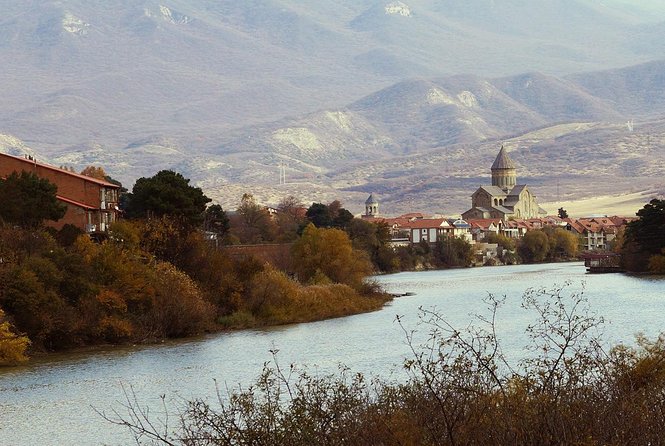
The ride itself builds anticipation. You travel upward, air changes, and you notice how quickly your body adapts. Then you reach Gergeti Trinity Church, a 14th-century site perched at the top near Stephantsminda, beneath the dramatic presence of Kazbegi peak, which is listed at 5033 meters.
For logistics, the tour includes one local jeep on day 3. That is not a random add-on. It helps you handle steep, uneven terrain so you spend your energy on the views and the church, not wrestling with transport.
The one drawback here is also the main attraction: you are higher up and weather can shift. Because the tour operates in all weather, dress appropriately. Bring layers you can peel off or add quickly.
If you like photo stops and big viewpoint moments, you will probably feel like the day earns its spotlight. If you hate steep paths, do not worry, but take your time at each stop and pace yourself.
A few more Tbilisi days worth comparing
- Private 7-Day Tours & Transfers from Tbilisi to Top Georgia Spots
★ 5.0 · 23 reviews - The Best of Georgia 7 Days Private Jeep Tour from Tbilisi
★ 5.0 · 19 reviews - Amazing All inclusive Tour for 7 Days From Tbilisi
★ 5.0 · 16 reviews - Georgia in 7 Days: A Haven for Nature and Sea Lovers
★ 5.0 · 15 reviews
Stalin Museum, Uplistsikhe caves, and Borjomi mineral breaks
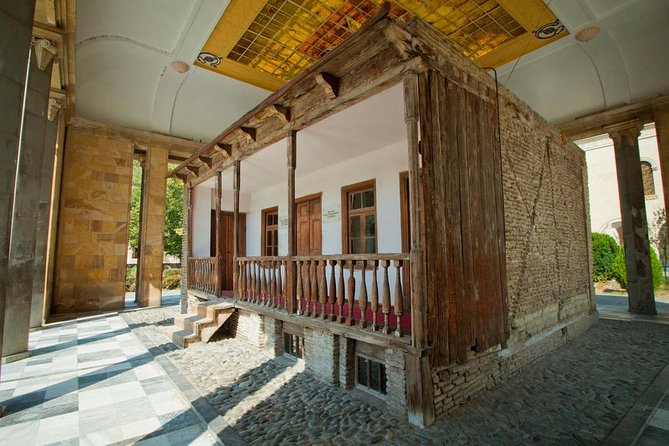
Day 4 is a fun curveball. You start with the Stalin Museum, centered on a collection of private items that belonged to Joseph Stalin. It is an unusual choice for a highlights tour, but it gives you a direct window into the Soviet-era personality cult that shaped much of the region’s recent past. Even if you are not into political history, it helps you interpret what you might see elsewhere.
Then you move to Uplistsikhe Cave Town, one of Georgia’s oldest inhabited places. It is dated back to the early Iron Ages, and the site is carved into rock, with tunnels and passages connecting chambers and halls. Cave towns can become repetitive if you only see a few rooms. Here, the sense of moving through an ancient network makes it feel more like a lived place.
After that, you head to Borjomi Central Park. Borjomi is famous for mineral sparkling water, and the tour gives you context on where it comes from: artesian springs fed by glacier-sourced waters that rise without pumping. You taste the mineral sparkling water, then you walk in Borjomi-Kharagauli National Park, described as one of the largest protected areas in Europe at about 5300 square kilometers.
This day works because it flips moods. Museum to caves to a town built around mineral springs. Your brain does not get bored, and your body gets variety too: you go from indoor exhibits to outdoor rock spaces to a more relaxed park walk.
Wear sturdy shoes again. Caves and uneven ground are part of the deal.
Rabati Castle and Vardzia: Fortress to rock-hewn monastery world
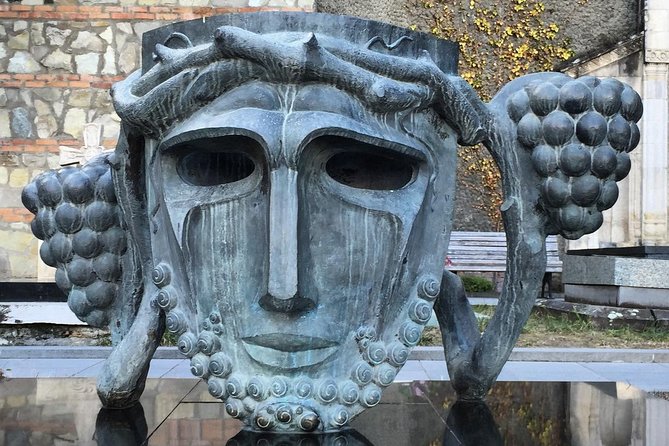
Day 5 is all about Samtskhe-Javakheti cultural heritage, and it delivers two iconic forms of Georgian architecture.
First comes Rabati Castle in Akhaltsikhe. The site is established in the 9th century and later rebuilt by the Ottomans. The shift in control over centuries is visible in the stone story, and it is a good reminder that borders, empires, and religious communities all shaped what people built.
Next is Vardzia, a rock-hewn complex on the left bank of the river Mtkvari. It was founded in the 12th to 13th centuries during the reign of Giorgi III and Queen Tamar. The site started as a town-fortress, then evolved into a well-fortified monastery with major political, cultural, and spiritual importance.
Vardzia tends to be one of those places where you stop thinking in terms of a single building. You start thinking in terms of engineering, survival, and community life. You are also looking at how faith used architecture as protection.
If you love feeling small next to ancient scale, this is your day. The only caution is stamina. You will be on your feet and you will be looking up and around a lot.
Day 6 return drive via Sagamo, Paravani, and Tsalka Lakes
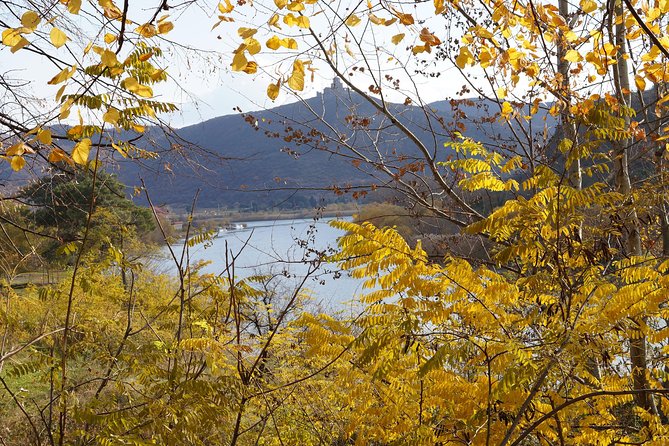
Not every day can be a world-famous monument, and that is okay. Day 6 is a transfer drive to Tbilisi via lakes Sagamo, Paravani, and Tsalka, listed as a four-hour travel segment.
This is the day to settle in. Bring a layer for the car, keep water handy, and treat it as time to recharge after the cave and monastery concentration of the earlier days.
Even though it is a drive day, the tour still keeps you seeing. Lakes and passes break up the monotony and keep you from feeling like you are just moving boxes from place to place.
Hotels, dinner and breakfast, and the value of included entrance fees
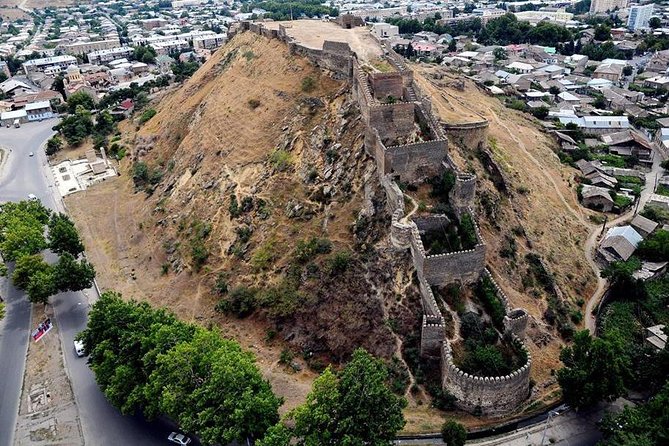
Let’s talk about money and what you actually get for it. The price is listed at $1,203 per person. That can sound high until you line up the included items.
You get hotel pickup and drop-off, bottled water, and a comfortable air-conditioned car on all days except day 7. You also get overnights in 3-star hotels for the Tbilisi portion and in other stop cities, with one night in Vardzia at a 4-star hotel. The tour includes a guide-driver in English for days 1 through 6, plus all taxes and handling charges.
The big savings angle is all entrance fees included. When a trip says entrances are covered, it usually means fewer surprises and less time waiting at ticket counters. Here, you also see specific entries like the Narikala cable car being included, which matters because viewpoint access often costs extra elsewhere.
Food is also partially covered. The tour includes dinner and breakfast (breakfast is included 6 times, and day 7 specifically includes breakfast at the hotel). Lunches and any dinners not listed are not included, so you will still want a small daily budget for meals on your own.
One practical point: the tour provides mobile tickets. That helps if you hate printing confirmations and losing paper on vacation.
Who should book, and who might want a different pace
This 7-day format is ideal if you want a guided overview that connects major regions without you doing route planning. It is especially good for:
- People who value historic sites with context, not just photos
- Travelers who prefer a small group (max 15) over a bus full of strangers
- Visitors who are okay with driving days in exchange for seeing a lot
It might be less ideal if:
- You want lots of free time each day to wander alone for hours
- You hate any mountain altitude exposure, since the Kazbegi day includes the Cross Pass and very high viewpoints
- You are very sensitive to road time between regions
Also note the structure: day 7 ends with breakfast at the hotel and check-out by 12:00 pm. So your final morning is not for late starts.
Should you book this Tbilisi-based Georgia highlights tour?
I would book it if you want Georgia in one week, with entrance fees managed, a good guide experience, and a route that mixes cities, UNESCO sacred sites, mountains, mineral water, and cave civilizations. The included jeep on the Kazbegi day plus the “all entrances” setup is the kind of planning that saves you stress.
I would think twice if you are the type who needs long, quiet afternoons every day, or if you dislike long car segments. In that case, you might prefer a slower regional trip.
If you do book, pack for changing mountain weather, bring comfortable walking shoes for caves and churches, and plan to do some photo crouching, because Georgia rewards angles.
FAQ
How long is the tour and what time does it start?
The tour is approximately 7 days. It starts at 10:00 am.
Where are pickup and drop-off handled?
Hotel pickup and drop-off are included.
What is the group size limit?
The tour has a maximum of 15 travelers.
Are entrance fees included?
Yes. All entrance fees are included.
What meals are included?
Dinner is included, and breakfast is included (6 breakfasts). Day 7 also includes breakfast at the hotel.
What kind of transportation is used?
You travel in an air-conditioned comfortable car all days except day 7. Bottled water is also provided.
Is there a jeep involved on any day?
Yes. A local jeep is included for Kazbegi on day 3.
What kind of hotels are included?
Overnights are in 3-star hotels for 3 nights in Tbilisi, 1 night in Gudauri, and 1 night in Akhaltsikhe, plus 1 night in Vardzia at a 4-star hotel.
Does the tour run in bad weather?
Yes. It operates in all weather conditions, so you should dress appropriately.
Recently added around Tbilisi
- Private Adorable City Tour of Tbilisi★ 5.0 · 3 reviews
- Old tbilisi walking tour & wine tasting★ 5.0 · 9 reviews
- Tbilisi Airport to Gudauri, Bakuriani, Batumi, Tbilisi★ 5.0 · 3 reviews
- full day Kazbegi-Gudauri-jvari -from Tbilisi★ 5.0 · 6 reviews
- Vardzia. Lake Paravani, Khertvisi & Lomisa castle, Rabati★ 4.5 · 12 reviews
- Your unique photo session in Tblisi, Georgia★ 3.5 · 4 reviews
- Wine Tasting in Tbilisi★ 5.0 · 8 reviews
- Wine promenade in hospitable Tbilisi★ 5.0 · 17 reviews
Multi-Day Georgia Tours from Tbilisi, compared.
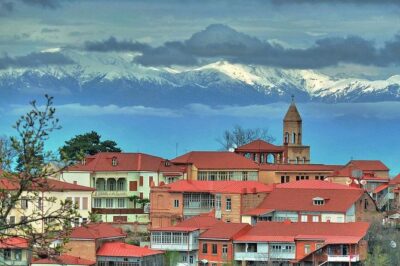
Discover Georgia: A 4-Day Private tour from Tbilisi
Read our review →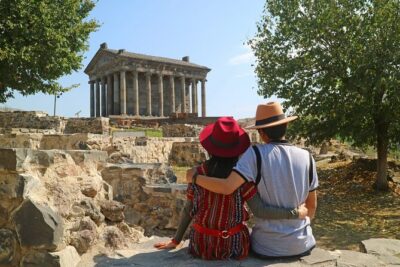
Best of Armenia: private 2-3 days tour to Yerevan w/ family lunch
Read our review →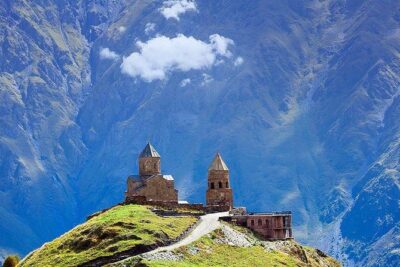
Private 4-Day Tours & Transfers from Tbilisi to Top Georgia Spots
Read our review →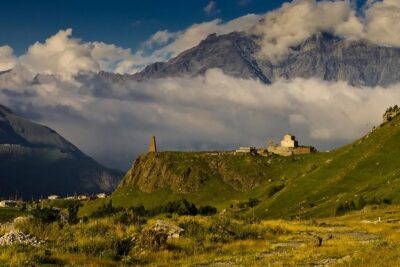
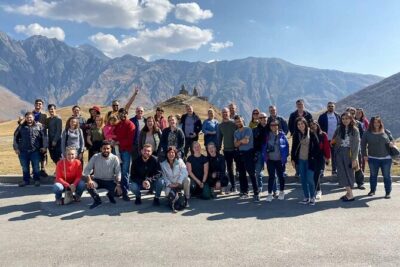
5 days tour package.Georgia for first time visitors
Read our review →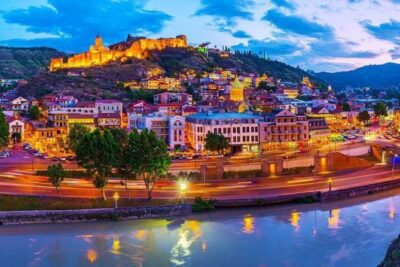
Private 3-Day Tours & Transfers from Tbilisi to Top Georgia Spots
Read our review →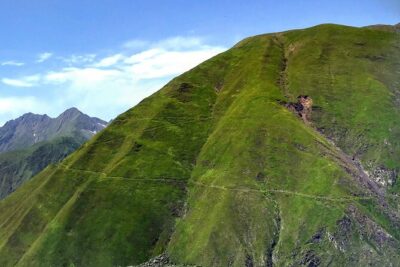
3 Day Tusheti Tour Explore Unspoiled Wilderness
Read our review →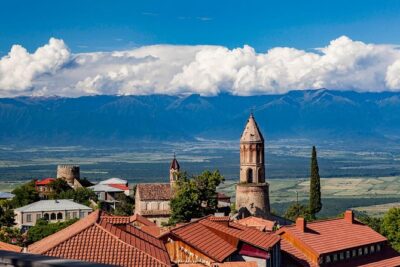
Private 4 days Food & Wine and Sightseeing tour to Kakheti, Kazbegi, Mtskheta.
Read our review →Browse the lists this tour appears in