
Reviewed · MTSKHETA & JVARI TRIPS
Sacred Sites and Ancient Wonders: Jvari, Mtskheta and Uplistsikhe
Georgia has a special talent for layering time on top of itself, and this day tour is a great way to see that in one run. You’ll start at Jvari Monastery for big river views, then move through Mtskheta for a UNESCO cathedral tied to royal Georgia. It is a straightforward, packed day that feels like walking through crossroads of faith and power.
I love how the stops are chosen for variety, not just fame. Jvari gives you the scenic start, Svetitskhoveli connects to centuries of coronation and burial tradition, and Uplistsikhe turns the whole day into stone-made streets. I also like that the guide experience matters here, with real storytelling and friendly communication, like when guides named Irakli and Davit guided the day with lots of history and calm answers when plans shifted.
One possible drawback: this is a long day with two paid sites (Stalin Museum and Uplistsikhe), and there is no included lunch. If you get hungry easily, plan on budgeting for food on your own so the day stays comfortable.
Key Highlights You’ll Care About
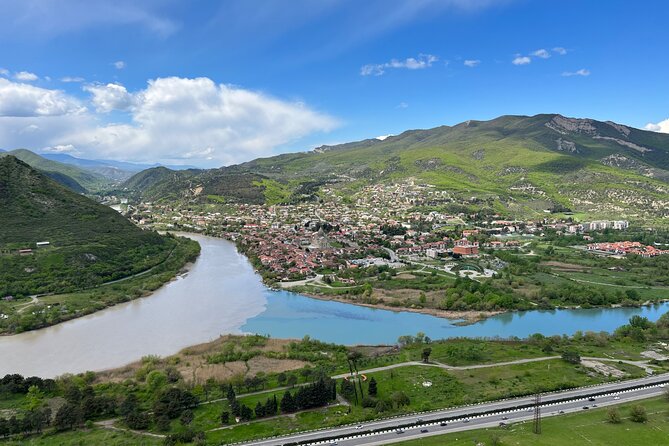
- Hilltop Jvari Monastery gives you views where the Aragvi and Mtkvari rivers meet
- Svetitskhoveli Cathedral in Mtskheta is UNESCO-listed and tied to Georgian royal coronations and burials
- Stalin Museum in Gori includes the leader’s birthplace and an armored train display
- Uplistsikhe Cave Town was a Silk Road strategic center, carved into rock
- Private vehicle plus hotel pickup/drop-off makes the day feel efficient from Tbilisi
- Good guide communication can make schedule changes feel easy, not stressful
One Day, Four Places With Very Different Stories
This tour works because it does not treat the region like a checklist. You’re moving from a sixth-century church viewpoint, into an old capital city, then to a Soviet-era museum in Gori, and finally into an ancient rock city. That shift in time periods is exactly what keeps the day from feeling repetitive.
You also get real context as you go. Mtskheta is not just an old town you pass through. It was a key capital of the early Kingdom of Iberia for centuries, then the coronation and burial place for many Georgian kings. When you stand in Svetitskhoveli, that meaning makes the cathedral feel less like a pretty stop and more like a centerpiece of Georgian identity.
At the same time, it is still practical. The tour runs about 7 hours, starting at 10:00 am, with hotel pickup and drop-off and a private vehicle. Admission tickets are simple: Jvari and Svetitskhoveli are listed as free, while the Stalin Museum and Uplistsikhe Cave Town have separate fees you pay on the spot.
Other trips to Gori and Uplistsikhe:
- Day Trip to Mtskheta Gori and Uplistsikhe
★ 5.0 · 1,801 reviews - Mtskheta-Gori-Uplistsikhe
★ 5.0 · 112 reviews - Mtskheta, Jvari, gori, uflistsikhe, history and panorama (group tours)
★ 4.5 · 107 reviews
Jvari Monastery: The Hilltop Start Where Rivers Meet
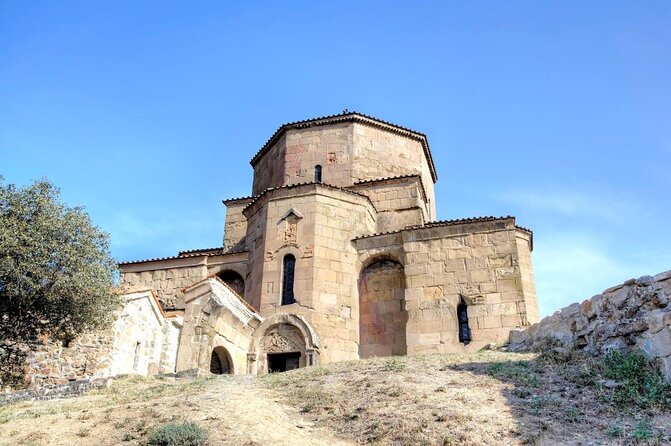
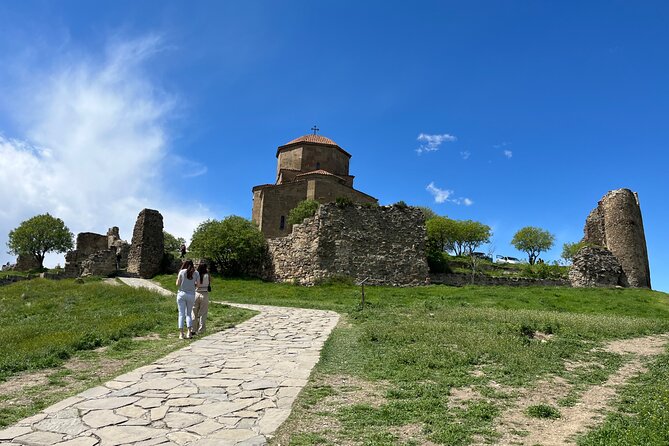
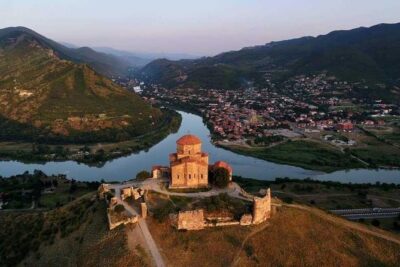
Jvari Monastery sits near Mtskheta on a hill, and that location is the whole point. From here you get the kind of view that makes you stop talking and just watch. The site overlooks the area where the Aragvi and Mtkvari rivers meet, and it’s easy to see why people built something sacred in a place with such clear geography.
The monastery itself dates to the sixth century, Georgian Orthodox, and it carries that calm, timeless feel that hilltop places often have. You’ll get about 30 minutes here, and since the admission is listed as free, this is a good stop to enjoy without worrying about fees or a long ticket line.
Practical tip: plan for uneven ground around viewpoint areas. Even if you only spend a short time, comfortable shoes make the hilltop feel easy instead of tiring. Also, because this is a hill setting, bring something for the weather. Foggy or windy days can happen around viewpoints.
Mtskheta and Svetitskhoveli Cathedral: UNESCO Faith and Royal Georgia
Once you’re done with the river view, the energy shifts. Mtskheta is an old capital city with deep layers, and Svetitskhoveli Cathedral is the anchor stop.
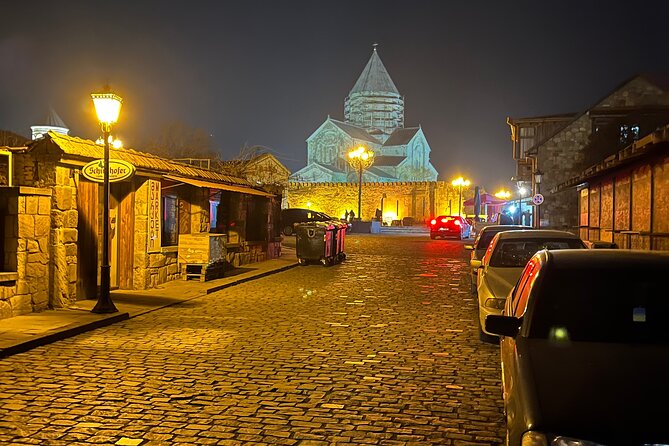
Here’s why this matters beyond a photo: Mtskheta was founded in the 5th century BC, and it served as the capital of the early Georgian Kingdom of Iberia from the 3rd century BC to the 5th century AD. After power moved to Tbilisi, Mtskheta stayed important for royal tradition. It remained the coronation and burial place for most kings of Georgia.
Svetitskhoveli itself is recognized by UNESCO as a World Heritage site. It’s also tied to a famous belief: Christ’s robe is believed to lie beneath the cathedral. That belief is part of why the site has such strong spiritual weight. Even if you’re not religious, you can feel that this is a place people come to with purpose.
Your time here is about 1 hour, and the admission ticket is listed as free. That free entry is a big value point. It also means you can focus on the cathedral atmosphere and details your guide points out, instead of spending your mental energy on logistics.
What I recommend: use your hour to split attention. Spend the first part getting your bearings and looking at how the building fits the space. Then use the second part to listen closely. With the right guide, the story of royal coronations and long-held traditions makes the cathedral feel like a living timeline.
Gori and the Stalin Museum: Soviet Reality in the Middle of Ancient Land
From Mtskheta you head toward Gori, and the tone changes fast. This is where the day gets more complicated and, for many people, more memorable.
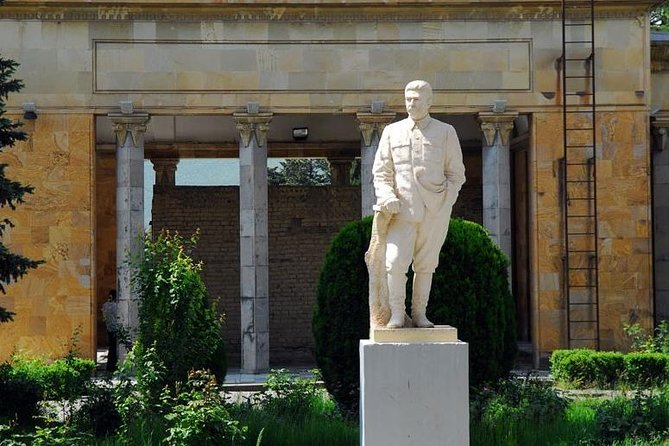
The Stalin Museum is housed in the place where Joseph Stalin was born and grew up. In addition to the rooms connected to his early life, there’s also an armored train display you can see. That combination turns the museum from a set of text panels into something more tangible, because you’re walking through the environment associated with him.
The museum admission is not included, and you should budget 15 GEL per person. The visit time is listed as 1 hour. That timing is decent. You get enough time to see the main areas and take in the artifacts without feeling rushed, but it is not so long that it drags if politics is not your main travel interest.
A balanced note: this stop can feel heavy, especially if you know how the Soviet era affected lives across the region. If you prefer your history more scenic and less emotionally loaded, you can treat this as a context stop. It helps explain how modern Georgia sits alongside older identities, and why different eras left different kinds of museums.
If you like story-driven guiding, this is a good place to pay attention. When guides like Davit shared connections between locations and themes, it made the museum fit into the day instead of feeling like an unrelated detour.
More trips to Mtskheta and Jvari:
- Tbilisi:Mtskheta,Jvari,Bazaar,wine tasting,Chronicles of Georgia
★ 5.0 · 730 reviews - From Tbilisi Magical Kakheti – Sighnaghi, Bodbe & Chronicles Tour
★ 5.0 · 195 reviews - Mtskheta-Jvari-Uplistsike-Chronicle of Georgia, PRIVATE Trip
★ 5.0 · 105 reviews - Tbilisi – Mtskheta – Jvari. Full City Tour on Hop On Hop Off Bus
★ 4.5 · 91 reviews
Uplistsikhe Cave Town: A Rock-Hewn City That Felt Built for Trade
After the museum, you’re ready for something visually different, and Uplistsikhe Cave Town delivers.
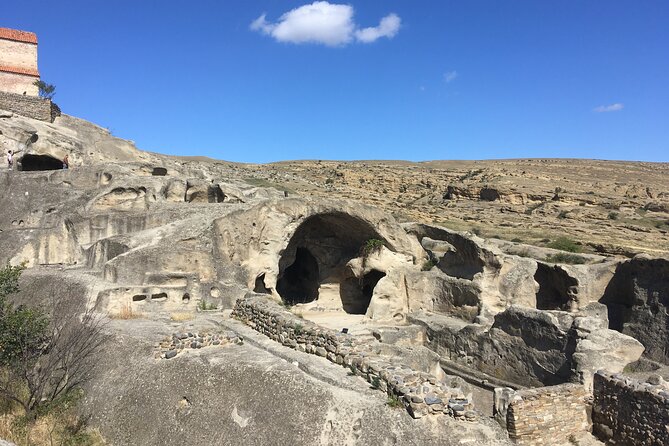
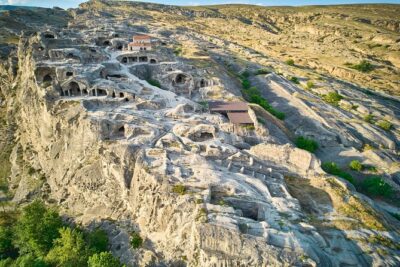
Uplistsikhe is described as a rock-hewn ancient town, and the name is given as meaning Fortress of the Lord. It sat directly on the path of the old Silk Road, which is why it became both strategic and commercial. At the height of its prosperity, the city had a population of about 20,000. Even if you cannot picture that number immediately, the scale of a site built into stone helps you understand how important it must have been.
You’ll have about 1 hour here. Admission is not included, and you should budget 15 GEL per person for Uplistsikhe. This is one of those sites where a guide can really help, because the layout can feel like a set of carved spaces until someone explains what you are looking at.
Practical advice: cave and rock sites often involve uneven walking surfaces and steps. Take your time. Also, consider the weather. Rock-hewn spaces can feel cooler in heat, but outdoor walkways still expose you.
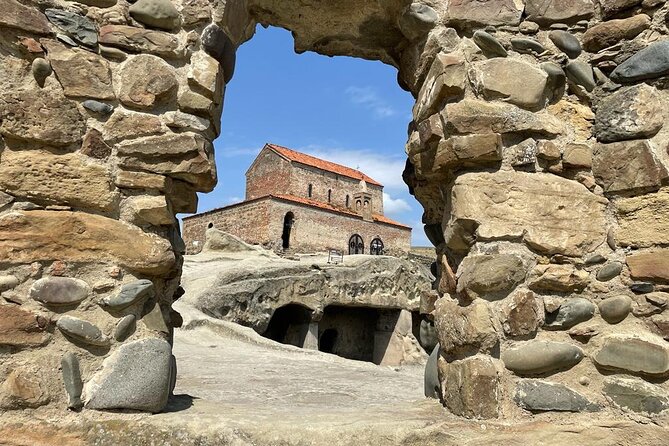
What I like about this stop is the way it closes the day’s timeline. The tour started with a church viewpoint tied to early Georgian tradition, and it ends in a place tied to movement of goods and people along the Silk Road. In other words, it’s not only spiritual and royal. It’s also commercial and strategic.
Timing and Comfort With a 10:00 am Start
A 10:00 am start means you’re out while the day is still fresh. In practice, that helps because you’ll have fewer chances for the day to feel rushed later. You also get hotel pickup and hotel drop-off, which is a big deal on a day like this. You spend less time managing transport and more time actually looking at sites.
The itinerary is built around short, focused visits. Jvari gets about 30 minutes, and the cathedral and museum and cave city each get about an hour. That structure keeps the day from turning into endless waiting or long stretches of sitting.
Group discounts are mentioned, and the tour is private for your group. That means you are not competing with a crowd for guide time. It can make questions easier, and it can also help when the schedule needs adjustment. In the experience, this kind of calm flexibility matters, especially if you’re arriving from a busy Tbilisi day before 10:00.
Bring a small plan: eat something before you start, even if you’re still having coffee. Since lunch is not included, you’ll want to avoid getting to the end of the day too hungry, especially after Uplistsikhe where you might want your energy for walking.
Price, Tickets, and Real Value for Money
The headline price is $100.00 per person for a 7-hour tour. For that cost, you get a private vehicle, hotel pickup and drop-off, a driver/guide, and a fuel surcharge. You also get a mobile ticket, which is handy because you are not juggling paper.
The key value question is entrance fees. Two sites are listed with admission ticket free: Jvari Church and Svetitskhoveli Cathedral. That’s a meaningful savings. Two other stops cost extra: Stalin Museum (15 GEL) and Uplistsikhe (15 GEL). So your total out-of-pocket for entry should be relatively clear and predictable.
That mix of free and paid sites is why I think this tour is good value. You are not paying full entry costs for every single stop. Instead, you’re paying for the experiences that are ticketed attractions, while getting cathedral and monastery time that is already covered.
If you want to judge value, don’t just look at the base price. Look at the full day: transport from your hotel, the time in each major site, and the entry fees you still need to pay. Add in the private format, and the math tends to work better than tours that require constant extra tickets.
Who This Tour Suits Best
This is a strong fit if you want a single day outside Tbilisi that covers both ancient and modern history. You’ll be mixing early Georgian religious tradition, UNESCO heritage in Mtskheta, Soviet-era history in Gori, and a cave city tied to the Silk Road.
It also suits travelers who enjoy guided storytelling. The day benefits from listening, because the meaning of each place gets clearer when someone explains connections and themes. From the way guides like Irakli communicated during the day, it is clear that this is not a silent-drive kind of tour.
If your travel style is mostly about long museum hours or only archaeological sites, you might find the Stalin Museum a bit different in tone. But if you like context, it helps the day make sense as a whole.
Should You Book This Sacred Sites and Ancient Wonders Tour?
If you want one well-paced day that jumps between viewpoints, royal heritage, Soviet history, and a rock-hewn cave city, I’d book this tour. The big wins are the combination of free entry at Jvari and Svetitskhoveli, the clear extra costs for the two paid attractions, and the convenience of hotel pickup and a private vehicle.
I would think twice only if you dislike heavier political history or if you need an included lunch every day. Otherwise, this is the kind of route that makes you feel like you learned Georgia, not just visited it.
Recently added around Tbilisi
- Private Adorable City Tour of Tbilisi★ 5.0 · 3 reviews
- Old tbilisi walking tour & wine tasting★ 5.0 · 9 reviews
- Tbilisi Airport to Gudauri, Bakuriani, Batumi, Tbilisi★ 5.0 · 3 reviews
- full day Kazbegi-Gudauri-jvari -from Tbilisi★ 5.0 · 6 reviews
- Vardzia. Lake Paravani, Khertvisi & Lomisa castle, Rabati★ 4.5 · 12 reviews
- Your unique photo session in Tblisi, Georgia★ 3.5 · 4 reviews
- Wine Tasting in Tbilisi★ 5.0 · 8 reviews
- Wine promenade in hospitable Tbilisi★ 5.0 · 17 reviews
Mtskheta & Jvari Trips, compared.
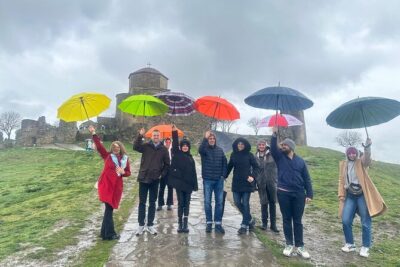
Mtskheta,Jvari,Bazaar,wine tasting,Chronicles of Georgia
Read our review →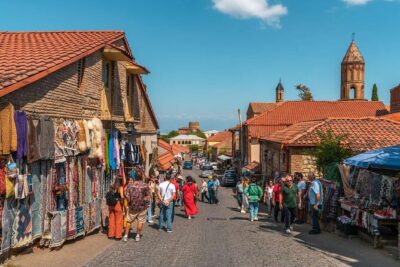
Magical Kakheti – Sighnaghi, Bodbe & Chronicles Tour
Read our review →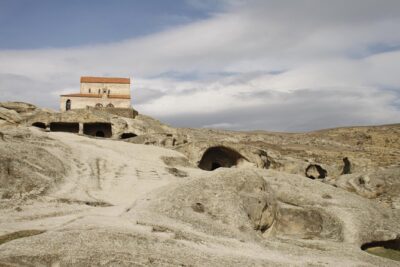
Mtskheta, Jvari, gori, uflistsikhe, history and panorama (group tours)
Read our review →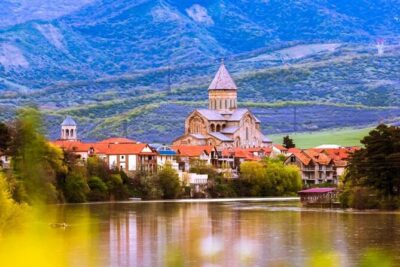
Mtskheta-Jvari-Uplistsike-Chronicle of Georgia, PRIVATE Trip
Read our review →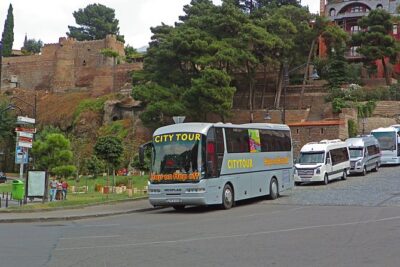
Tbilisi – Mtskheta – Jvari. Full City Tour on Hop On Hop Off Bus
Read our review →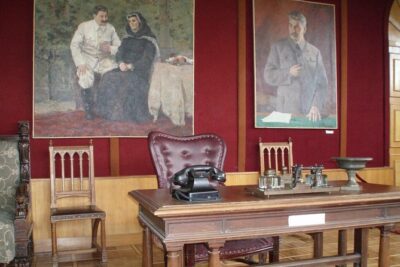
Day tour to Chronicles of Georgia, Gori city, Uplistsikhe cave
Read our review →Browse the lists this tour appears in