
Reviewed · SOVIET & BRUTALIST TBILISI
Brutal Tbilisi: Urban exploration and untold stories
If you think brutalism is only gray concrete and bad vibes, this tour will change your mind. Tbilisi Brutalism: Urban exploration and untold stories turns Soviet-era architecture into real, human storytelling, from monuments to everyday buildings you pass without noticing.
Two things I really love: the chance to read the Ministry of Highways building like a design puzzle, and the walk across Nutsubidze Skybridge with the city far below. One thing to consider, though, is that this is not the classic old-town stroll. You will spend time at sites that feel more utilitarian, including a former museum that is described as abandoned, so it is best for curious adults who like a bit of grit with their photos.
Highlights That Make This Tour Worth Your Time
- Brutalism explained by a local guide, turning buildings into stories you can actually remember
- Nutsubidze Skybridge bridge walk at 70 meters, plus the chance to meet the lift operator lady
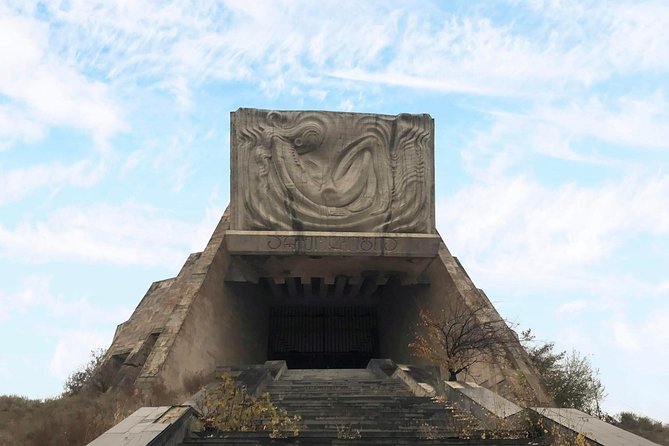
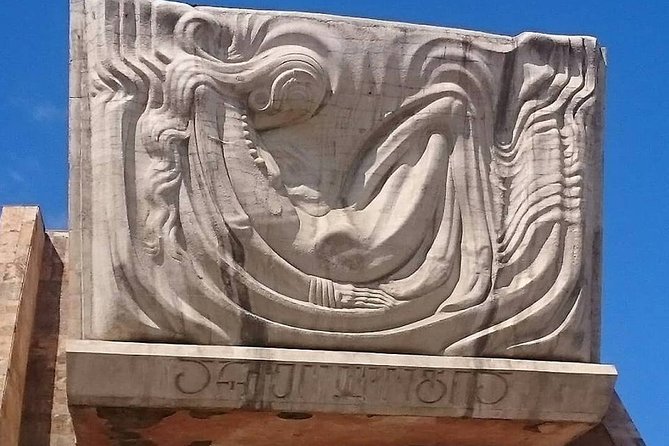
- Chronicles of Georgia on a hill, with monumental stone pillars tied to Georgia’s legends and turning points
- Former Archaeology Museum, an eerie contrast to the more formal monuments
- Former dormitories now housing displaced refugees from Abkhazia, so Soviet architecture connects to today
- Small-group feel, often described as up to six, with the activity capacity listed at a maximum of 14
Brutalism in Tbilisi: Why This Tour Feels Like More Than Architecture
Tbilisi has always been a city of layers. Old churches sit near Soviet office blocks, and post-Soviet life keeps rewriting what those buildings are for. That is why this tour clicks: it does not treat brutalism like an art museum. It treats it like part of the city’s working memory.
You’ll walk and ride through places where the design choices were meant to signal strength, progress, and order. Then your guide connects those forms to the people who used them, from students and institutions to families living in repurposed housing. If you enjoy seeing how politics and daily routines show up in materials like concrete and stone, this tour hits the sweet spot.
Other Soviet-era and Brutalist architecture tours:
- 1 Day Private Armenia: UNESCO, Soviet & Curated Family Lunch
★ 5.0 · 106 reviews - Tbilisi old town & soviet heritage – Private driver-guided Tour
★ 5.0 · 83 reviews - Armenia: 1 Day Soviet gems, UNESCO + Family lunch (Small group)
★ 5.0 · 68 reviews
Meeting Point at Rose Revolution Square: How the Day Starts
You meet at the Giant Bicycle monument at Rose Revolution Square. The tour ends back at the same meeting point, which keeps things simple if you want to grab food or get to another plan right after.
This experience runs about 4 hours. It is offered in English, and you’ll get a mobile ticket. You’ll also have bottled water included, which matters more than it sounds on a walking-heavy day.
Expect a mix of walking and short transfers. Even in a compact half-day format, the stops are spaced out across the city, and the guides are set up for moving between them without wasting time.
The 5 Stops: What You’ll See and Why Each One Matters
Stop 1: The Ministry of Highways of the Georgian SSR
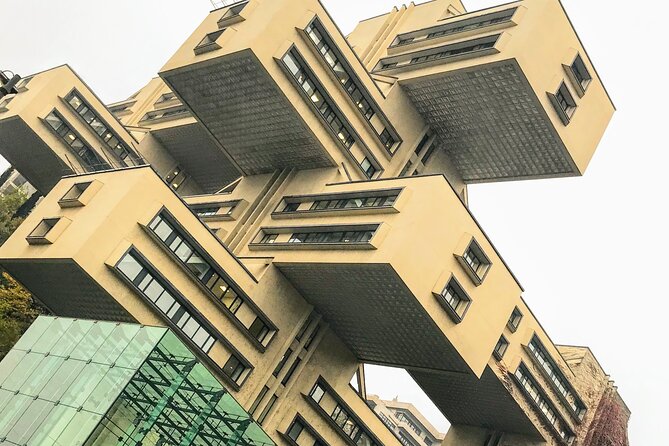
The tour opens with the building of the Ministry of Highways of the Georgian SSR, a standout example of Soviet brutalism. The big reason it is worth your time is that it’s not just a shape. It’s a statement. Massive concrete forms and sharp angles do the talking.
Your guide helps you look at the structure with intention: what the designers were likely trying to communicate, how the building’s massing fits its role, and how brutalism could be both practical and visually forceful. You also get a sense of how Soviet institutions wanted visibility and authority, even in the way they designed everyday spaces.
Time at this stop is about 30 minutes, and the admission is listed as free.
Another kind of day out from Tbilisi:
- Day Trip to Kakheti Wine Region Including 9 Wine Tastings
★ 5.0 · 2,774 reviews - Highlights of Caucasus Mountains-Jinvali,Ananuri,Gudauri,Kazbegi(Group tour)
★ 5.0 · 2,682 reviews - Day Trip to Kazbegi and Gudauri
★ 5.0 · 2,009 reviews - Day Trip to Mtskheta Gori and Uplistsikhe
★ 5.0 · 1,801 reviews
Stop 2: Chronicles of Georgia on Its Hilltop Viewpoint
Next up is the Chronicles of Georgia monument, positioned on a hill with Tbilisi spread out below. The core of this stop is the monument’s storytelling through stone pillars and carved scenes tied to Georgia’s history and mythology.
I like this stop because it gives you contrast. Before this, you’re reading brutalism mostly through concrete logic and institutional design. Here, the focus shifts to symbolic architecture, where monuments are built to preserve memory and explain identity.
Plan about 45 minutes here. Admission is also listed as free.
Stop 3: The Former Archaeology Museum, a Quietly Eerie Detour
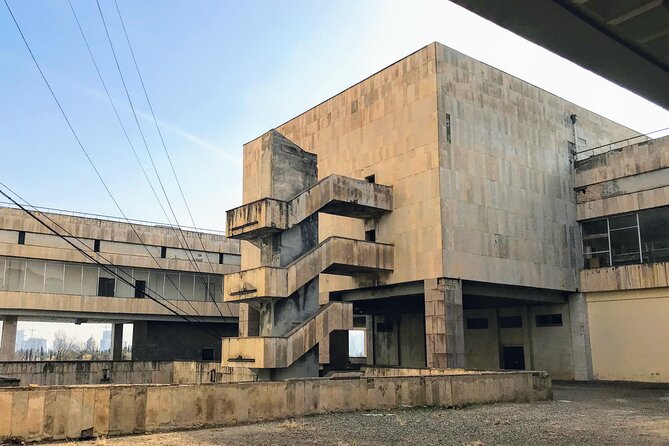
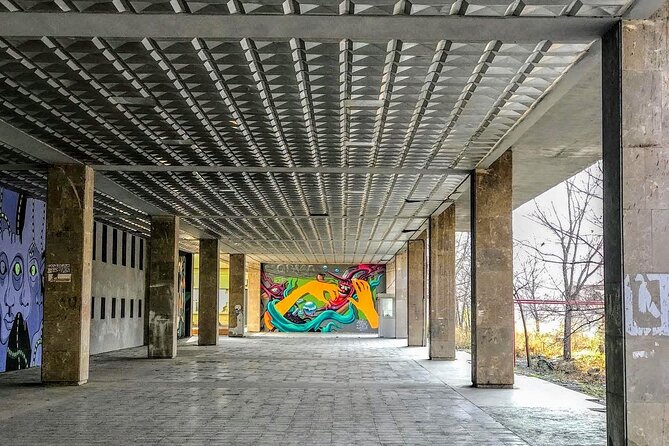
Then you go to the Former Archaeology Museum, described as grand in form but now abandoned. This stop works because it feels like the city letting you see a bruise.
Instead of only celebrating architecture, you get the in-between reality, how buildings age when their original purpose changes or disappears. Even if you are not an archaeology person, the point is the setting itself: large institutional bones, quiet corridors, and that slightly unsettling sense that the story is incomplete.
You’ll spend about 30 minutes here, with free admission listed.
Stop 4: Maglivi Bridge and the Human Stories Behind Soviet Buildings
Stop four is the Maglivi Bridge area, and this is where the tour earns its deeper emotional weight. The architecture is part of it, but the bigger theme is what the buildings have become.
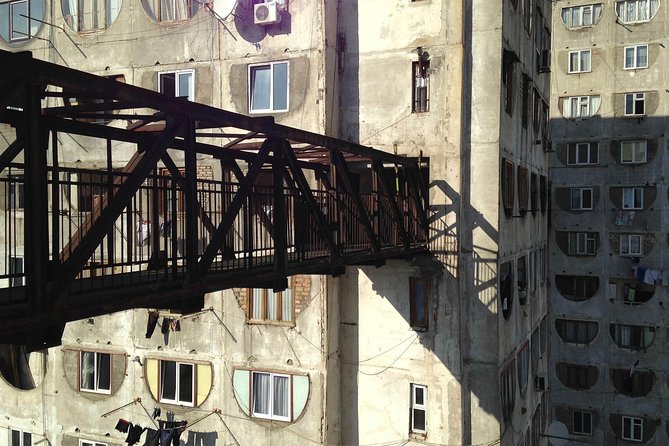
You’ll look at former dormitories that now serve as homes for refugees, described in the materials as displaced refugees from Abkhazia. That matters, because brutalism was often tied to social systems like education and mass living. When the system breaks, the buildings do not vanish. They get repurposed, and you get a clear view of how policy and crisis land in real rooms.
You’ll also visit the old cable car in the university district, another example of brutalist-era design that has kept going long past its original purpose. It’s a good moment for photos too, because the lines and structures are very graphic from multiple angles.
Time at this stop is about 30 minutes, with free admission listed.
Stop 5: Nutsubidze Skybridge Twin Towers and the Elevator Operator Moment
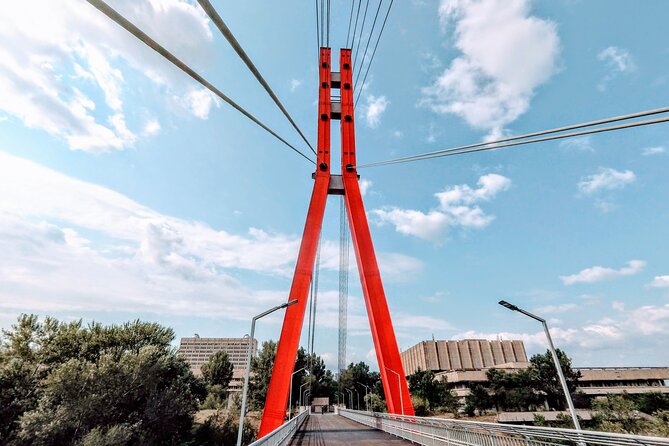
The grand finale is the Nutsubidze Skybridge, with the famous twin towers and the bridges connecting them. The key detail is that you can walk across the bridges suspended about 70 meters above the ground. That height changes how you feel. Suddenly you are not just looking at city architecture, you’re standing inside the design.
One reason this stop becomes a highlight for many people is the personal touch described on the day: you may get a chance to meet the lift operator lady. It’s the kind of moment that turns a photo spot into a lived encounter.
You’ll spend about 45 minutes at this stop, and admission is listed as free.
Guides Matter Here: What You Should Look For on the Day
Small groups are where a tour like this can shine. You will likely get a chance to ask questions and compare notes as you move between stops.
The guides on this experience are locals who can link architecture to social context. Names that show up in real-day examples include Khato, Alex, Khatuna, Aleksi, Iona, and Xato. People consistently describe guides as friendly and energetic, and also very willing to slow down when you want time for photos.
There is one consideration worth flagging: one past experience mentions a communication snag when questions were met with a response like I told you, making it harder to ask follow-ups. If you prefer lots of back-and-forth, I’d go in with a couple of prepared questions about what you are seeing, and make it clear early that you want direct answers.
Price and Value: What $75 Buys You in Real Terms
At $75 per person for about 4 hours, this is priced like an activity, not like a full museum day. The value comes from three things you actually feel in the moment.
First, admission is listed as free at the main stops, so you are not stacking ticket costs on top of the tour fee. Second, you get a local guide plus bottled water, which is helpful in a city where you’ll be on your feet. Third, you are paying for direction. These are not the places most people naturally find on a standard walking loop, especially the more unusual sites like the former museum stop.
Lunch is not included. That’s normal for a half-day format, but plan to eat afterward, not during the tour. If you want a smooth day, do a snack before you meet at Rose Revolution Square.
Hotel pickup is listed as available for some options, but the key detail is this: hotel pickup is only for private tours. For shared departures, you should plan to arrive at the meeting point.
Who This Tour Fits Best (And Who Might Not Love It)
This tour is designed primarily for adults, and children must be accompanied by an adult. It’s also recommended for people with moderate physical fitness, since you will be walking and moving between multiple sites.
I think this is best for you if:
- You love architecture, but you also care about what buildings were used for
- You want a different side of Tbilisi beyond the most obvious sights
- You enjoy guides who can connect design details to history and daily life
I’d think twice if you mainly want postcard views and classic tourist highlights. This experience is more about function, meaning, and the ways concrete shaped lives.
Should You Book Brutal Tbilisi? My Take
If your idea of a great Tbilisi day is learning how the city works, not just how it looks, book it. The combo is strong: a brutalist institution building, a monumental hilltop memorial, an abandoned museum stop, repurposed dormitories tied to displacement, and then the height-and-views payoff at Nutsubidze Skybridge.
Also, the quality signal is clear. This tour averages 5 stars based on 59 ratings, and the recommendation rate is listed at 100%. That does not replace your own taste, but it does suggest you’re very unlikely to feel like you paid for generic sightseeing.
If you want, tell me your travel dates and whether you prefer more walking or more riding, and I can help you pair this with the best timing for your other Tbilisi plans.
FAQ
How long is the Brutal Tbilisi tour?
It runs for about 4 hours (approx.).
How much does the tour cost?
The price is $75.00 per person.
Is the tour offered in English?
Yes, it is offered in English.
Where do we meet, and where does the tour end?
You start at the Giant Bicycle monument at Rose Revolution Square in Tbilisi, and the tour ends back at the same meeting point.
Is hotel pickup included?
Hotel pickup is available only for private tours. For this experience, hotel pickup is not listed as standard for shared groups.
Are tickets required for the stops?
Admission tickets are listed as free for the stops included in the tour.
What physical level is needed?
The tour recommends a moderate physical fitness level.
When can I cancel for a full refund?
You can cancel up to 24 hours before the experience begins for a full refund. If you cancel less than 24 hours before, the amount you paid will not be refunded.
Recently added around Tbilisi
- Private Adorable City Tour of Tbilisi★ 5.0 · 3 reviews
- Old tbilisi walking tour & wine tasting★ 5.0 · 9 reviews
- Tbilisi Airport to Gudauri, Bakuriani, Batumi, Tbilisi★ 5.0 · 3 reviews
- full day Kazbegi-Gudauri-jvari -from Tbilisi★ 5.0 · 6 reviews
- Vardzia. Lake Paravani, Khertvisi & Lomisa castle, Rabati★ 4.5 · 12 reviews
- Your unique photo session in Tblisi, Georgia★ 3.5 · 4 reviews
- Wine Tasting in Tbilisi★ 5.0 · 8 reviews
- Wine promenade in hospitable Tbilisi★ 5.0 · 17 reviews
Soviet & Brutalist Tbilisi, compared.
1 Day Private Armenia: UNESCO, Soviet & Curated Family Lunch
Read our review →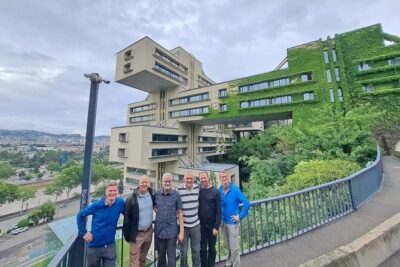
Tbilisi old town & soviet heritage – Private driver-guided Tour
Read our review →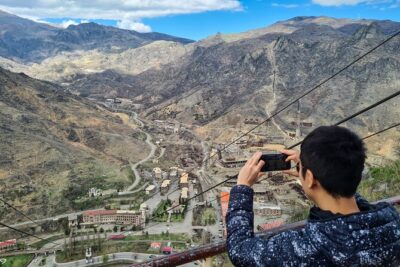
Armenia: 1 Day Soviet gems, UNESCO + Family lunch (Small group)
Read our review →
Soviet past – Private day tour to Chiatura, Katskhi pillar and Chronicles
Read our review →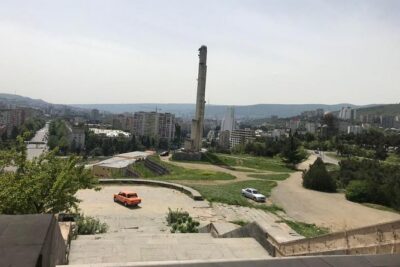
Soviet Story – Private day trip to Chiatura, Stalin’s museum and Katskhi pillar
Read our review →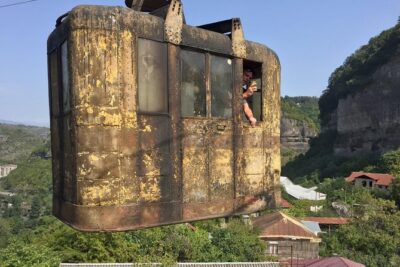
Browse the lists this tour appears in