
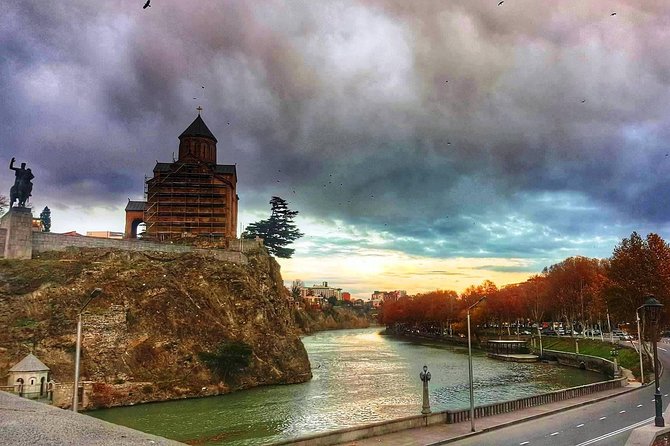
Reviewed · OLD TBILISI WALKING TOURS
Private Walking Tbilisi City Tour (Day Trip)
Tbilisi has a talent for cramming big stories into short distances, and this full-day walk is built for exactly that. You get a multi faith sweep of Old Tbilisi, plus legend, viewpoints, and a real sense of how different communities shaped the city.
I especially like the mix of iconic sights and the smaller context, you see major landmarks like the Great Synagogue and Sioni Cathedral, but you also get the why behind them. I also like the practical touches, including bottled water and an English guide who focuses on details, with names like Teimuraz and Temo coming up in the feedback. One thing to consider: it is a long walking day, and it may run a bit beyond the posted timing depending on the pace and questions.
If you want a guided route that helps you understand what you are seeing without turning your day into a checklist, this is a strong way to start getting your bearings fast in Tbilisi.
Key things that make this Tbilisi walking day tour work
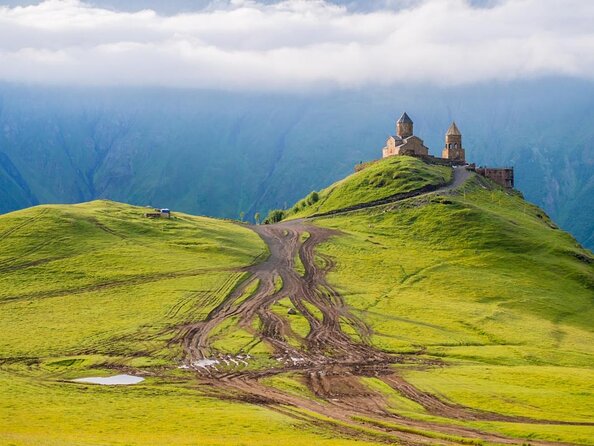
- Narikala Fortress stop with the entry ticket included so you are not scrambling for add-ons
- Sulfur Bath 5 and the tbili legend that explains why this city is built around warm springs
- Multi faith Old Tbilisi route with major Orthodox sites plus the Great Synagogue and Muslim worship places
- Bridge of Peace design nerd details like the Italian architect and French lighting designer
- Rezo Gabriadze Marionette Theater on the route, with a daily show vibe nearby
- Bottled water included, a simple comfort that matters on a 6 to 7 hour day
Price and what your $59 buys you in real terms
At $59 per person for about 6 to 7 hours with a professional guide, you are paying for time, orientation, and organized access to a lot of central sights. The big value here is not just that you will see well known places, it is that the guide connects them with the city’s legends and the way Tbilisi grew around its hot springs and religious communities.
A key note for your planning: transportation is not included. This is a walking day tour, so you will want to already be where you can start easily, then spend the day on your feet. If you are planning to combine this with other activities, think of it as your anchor day for Old Tbilisi and the core neighborhoods.
The tour also includes bottled water, which may sound minor, but it is one less thing to manage in the middle of a long route. And since it is offered in English with a mobile ticket, it is straightforward for travelers who do not want last minute hassle.
More walking tours of Old Tbilisi:
- Tbilisi Walking Tour Including Cable Car and Traditional Bakery
★ 5.0 · 1,310 reviews - Tbilisi:Evening Walking & Talking Tour with Wine & Boat Ride
★ 5.0 · 572 reviews - Old Tbilisi Highlights walking tour with wine & 10 tastings
★ 5.0 · 276 reviews
How the pacing feels on a full day walk

The route is structured as a sequence of stops with short, focused visits, from 50 minutes at Narikala Fortress down to 10 to 15 minute windows at several landmarks. This works well if your goal is to see a lot and keep moving, rather than lingering for hours at a single church or view.
The possible downside is also baked in: when there are many stops, you need to be comfortable with frequent walking and quick photo moments. If you like slow museum-style visits, you might want extra time after the tour for the places that catch your eye most.
The route also relies on good weather. If it is rainy or unpleasant, you might be offered a different date or a refund, so build a little flexibility into your Tbilisi plan.
Narikala Fortress views and the religious crossroads at the top
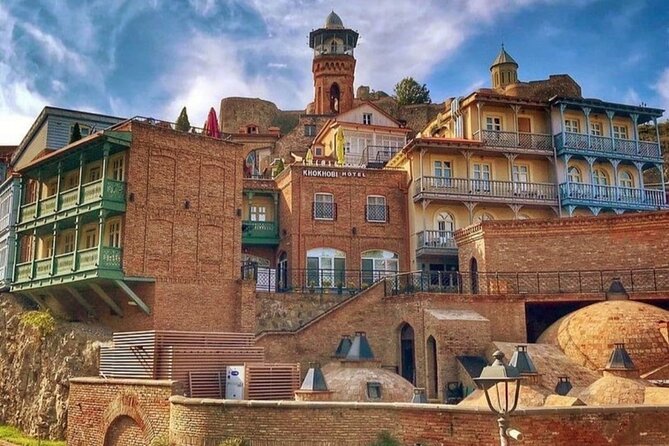
Your day starts in the Narikala Fortress area, and this is a smart choice. You get a high vantage point early, plus the sense that Old Tbilisi is stacked in layers, with typical houses, balconies, and the city walls shaping the skyline.
What I like about this first stop is that it is not just a viewpoint. The guide’s framing connects multiple religious sites in one area: you are in the zone where the city’s Muslim, Orthodox, Catholic, and Gregorian traditions all sit within a tight map. The route also mentions places like Holy Trinity Cathedral and Ateshga, often described as a temple for pagans, which gives you a wider lens than the usual one-faith tour.
Plan for the 50 minute window here as a mix of walking around and taking in the overview. If you are arriving in Tbilisi with jet lag or limited time, Narikala is a great place to start, because the sight of Old Town from above helps every other stop make sense later.
Admission is handled at this stage, since the Narikala Fortress admission ticket is included.
Sulfur Bath 5, the warm water story, and a practical Old Town stop
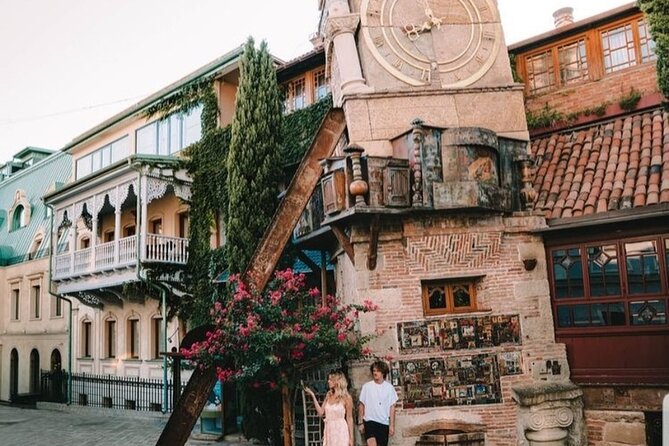
Next you head toward the sulfur baths, with a stop at Sulfur Bath 5. The tour connects the city’s name to legend, with tbili meaning warm. Even if you have heard about the hot springs before, having the story tied to a specific spot makes it easier to remember.
This stop is about 30 minutes, and it is listed with an admission ticket as free. What you will get from it is a quick, guided look at how the bath culture is woven into daily life and Old Town geography, especially when you are moving from higher viewpoints down into the lower streets.
If you are planning to actually book a bath session later, this stop is useful as a visual primer. If you are not planning a bath, it still helps you understand why Tbilisi is shaped the way it is.
A few more Tbilisi days worth comparing
- City tour Tbilisi on red bus
★ 4.5 · 139 reviews - Tbilisi – Mtskheta – Jvari. Full City Tour on Hop On Hop Off Bus
★ 4.5 · 91 reviews - Tbilisi city tour PRIVATE excursion Airport and hotel pickup INCL
★ 5.0 · 68 reviews - Tbilisi City Tour, Most Popular Tourists Destinations In The Capital Of Georgia
★ 5.0 · 58 reviews
Rustaveli Avenue, the bigger city beyond Old Town
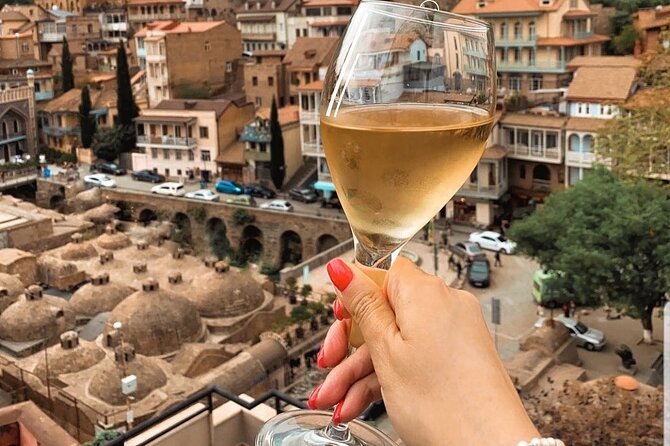
After the medieval topography, the tour shifts into the more modern side of central Tbilisi with a stop on Rustaveli Avenue. Expect about 1 hour here, and it is a chance to see the city as more than churches and fortresses.
The highlights named include the Drama Theater named after Rustaveli, the State Academic Theater of Opera and Ballet named after Zakaria Paliashvili, plus the nearby gymnasium and art salons. This stretch gives you a sense of Georgian cultural life after the 20th century, built on a wider, more urban scale than the old walled core.
What you should do with this stop: pay attention to architecture and street rhythm, not just big buildings. Rustaveli Avenue helps you contrast Old Tbilisi’s tight layout with the planned growth of the capital.
Abanotubani and the hot springs legend that explains the area
Then you step into Abanotubani, the historic hot springs quarter. This is one of those places where the physical environment and the storytelling match, because the hot spring theme is visible in the streets, not just in a pamphlet.
The tour gives you the legend of King Vakhtang Gorgasali’s falcon, which is credited with leading to the discovery of the hot springs and the founding of the new capital. Even if you treat legends as legends, you learn how early narratives shaped the way locals talk about the place.
This stop is short at about 15 minutes, so it works best as an orientation moment. Look around, then keep moving. You can always slow down later if you want to linger.
The Great Synagogue of Tbilisi: a stop that adds context fast
One of the most meaningful stops on the route is the Great Synagogue of Tbilisi, also known as the Georgian Synagogue. It was built from 1895 to 1903 in an eclectic style, and the tour notes that it was built by Georgian Jews from Akhaltsikhe who migrated to Tbilisi in the late 19th century.
That detail matters because it turns the building into a story about movement, community, and time. Instead of seeing another landmark, you see how different groups shaped neighborhoods and religious architecture.
This is a 15 minute stop. Use it for the outside first, then listen for what the guide points out about style and the local migration history tied to the synagogue.
Metekhi Cathedral and the idea of power sitting above the river
Next is Metekhi Cathedral, with a 15 minute visit. The tour explains that King Vakhtang Gorgasali erected a church and a fort here, which also served as a royal residence. Even the name, Metekhi, is tied to the 12th century and described as meaning the area around the palace.
This stop is valuable because it connects the religious site to politics and geography. You are not only learning about church building, you are learning why this location was strategically important.
If you like clear context, you will appreciate how the guide ties the cathedral to the earlier themes of Tbilisi’s growth and ruling power.
Bridge of Peace, Rike Park, and the Georgia symbolism walk
The route continues with the Bridge of Peace, built in 2009 to 2010. It is designed by the Italian architect Michele De Luci, and the lighting system is by the French designer Philip Martino. This is one of those stops where a short visit can still feel memorable, because the design story is easy to grasp.
Right after, you reach Rike Park for about 15 minutes. It is described as a festival space, including events like Tbilisoba. Even if you are not there during a festival, this stop helps you understand where public celebrations happen and how locals take over central spaces.
Then you meet Kartlis Deda, the symbol of Georgia. The tour describes her meeting friends with wine and enemies with sword. It is a quick stop, but it leaves you with a clear image of how symbolism and national identity show up in public art.
Anchiskhati Basilica and the link to sculptor Elguja Amashukeli
The route includes Anchiskhati Basilica, noted as the oldest surviving churches in Georgia and connected to the 6th century. It is also tied to Georgian art: the tour mentions the art studio of sculptor Elguja Amashukeli and says he created the symbol of Georgia, Kartlis Deda, linked earlier in the walk.
This is a powerful example of why a guided walking route is worth it. Without context, you might treat Anchiskhati like just another church stop. With the guide’s connection, it becomes part of a creative and cultural chain.
The visit is about 15 minutes, so again, keep your focus on the meaning the guide gives you rather than trying to read every detail like you are on a private architecture tour.
Sioni Cathedral, restoration cycles, and why seats moved
Another important Orthodox stop is Sioni Cathedral Church, built in the 6th and 7th centuries. The tour explains the building faced destruction and reconstruction over time, with the current church based on a 13th century version, plus changes from the 17th to 19th centuries.
It also points out that Sioni Cathedral was the main Georgian Orthodox Cathedral and the seat of the Catholicos-Patriarch of All Georgia until Holy Trinity Cathedral was consecrated. This kind of detail changes how you look at the church. It is not just a pretty building, it is a node in the power and faith network over centuries.
Keep your eyes open for how the guide ties these changes to the broader story of Georgian church history, especially since it is delivered in a short window at about 15 minutes.
Leselidze street and the Old Town to new city feeling
Then comes Leselidze, described as a street that blends old and new parts of the city. This is a breather stop in the sense that you get to walk the street and watch the city transition visually.
The tour does not ask you to do anything specific here, it just gives you a moment to connect the rest of the route. You have already seen fortifications and cathedrals, now you are seeing how Tbilisi continues outward and how neighborhoods overlap.
This is about 15 minutes, so you should use it for a casual stroll and a few photos that show the contrast.
Rezo Gabriadze Marionette Theater: the art stop with daily rhythm
Next is the Rezo Gabriadze Marionette Theater, one of the most recognizable sights in Tbilisi. The tour notes that there is a daily show nearby, and it is described as popular worldwide for its depth and soul.
This is a 10 minute stop, so do not expect a long performance session scheduled by the tour. Instead, it is a chance to spot the theater and absorb how Tbilisi treats public art and storytelling as a normal part of city life.
If you see it and it pulls you in, you can plan to return later on your own, ideally when a show schedule fits your day.
Dzveli Tbilisi Sulfur Waterfall: the 22 meter finish with a legend twist
The day ends in the area of the Dzveli Tbilisi Sulphur Waterfall, also called Leghvtakhevi. The waterfall is described as 22 meters tall, and the tour links its name to Georgian word Leghvi meaning fig, because fig trees were reportedly common around the spot.
This is a 20 minute stop, and it makes a nice ending because it brings the hot springs theme full circle. You started with Narikala and city structure, moved through culture and cathedrals, and then you finish with something natural that still feels connected to the city’s original water story.
Take your photos here, then check in with the guide so you know how the tour ends back at the meeting point.
What I think you should watch for during the tour
A walking tour is only as good as your comfort and your expectations. Here is how to get the most out of this one:
- Wear shoes you trust. You will be on your feet for 6 to 7 hours, and the route includes higher and lower sections.
- Bring your curiosity. The strongest value is the guide connecting sites to stories, from Vakhtang legends to the synagogue’s migration history and the design details on the Bridge of Peace.
- Keep a flexible pace. The tour timing is approximate, and a few quick stops like theater and bridge points mean the day can feel fast.
- Use the English guide to ask one or two questions. This kind of route gets better when you ask why, not just what.
Who this tour is best for, and who should consider another option
This walking tour fits you if:
- You are visiting Tbilisi for the first time and want organized orientation without a car.
- You care about how a city’s identity ties together faith, architecture, and legend.
- You prefer a guide who explains context and stories, and you like routes with lots of named stops.
- You want a day that includes both big landmarks and the connective tissue between them.
You might skip or add a plan B if:
- You hate long walking days or you need long sit-down time at each stop.
- You want a purely museum-style experience with minimal movement.
- Weather is questionable, since the tour notes it requires good weather.
Should you book this Tbilisi city walking tour?
If your goal is to understand Tbilisi quickly, this is a solid pick. The $59 price feels fair for a day of guided coverage across multiple major sites, with bottled water included and at least one entry ticket included at Narikala. The multi faith angle, including the Great Synagogue and Muslim worship sites, gives you a wider and more interesting view of what the city represents.
Book it if you want an efficient, story-led walk where landmarks like Sioni Cathedral, Anchiskhati Basilica, Bridge of Peace, and Kartlis Deda each come with context. I would pass if you cannot handle long walking or you need a very slow pace.
FAQ
How long is the Private Walking Tbilisi City Tour (Day Trip)?
The tour runs for about 6 to 7 hours.
What is included in the price, and what is not?
Included is the professional guide service and bottled water. Transportation is not included.
Is bottled water provided?
Yes, complimentary bottled water is included for each participant.
Are any entrance fees included?
Narikala Fortress has an admission ticket included. The other listed stops are noted as free on the tour details.
What language is the tour offered in?
The tour is offered in English.
What happens if the weather is bad or I need to cancel?
The tour requires good weather. If it is canceled due to poor weather, you will be offered a different date or a full refund. Cancellation is free up to 24 hours in advance for a full refund.
More 1-Day Tours in Tbilisi
- Day Trip to Kakheti Wine Region Including 9 Wine Tastings
★ 5.0 · 2,774 reviews - Day Trip to Kazbegi and Gudauri
★ 5.0 · 2,009 reviews - Day Trip to Mtskheta Gori and Uplistsikhe
★ 5.0 · 1,801 reviews - Day Trip to Armenia Including Homemade Lunch
★ 5.0 · 1,162 reviews
Recently added around Tbilisi
- Private Adorable City Tour of Tbilisi★ 5.0 · 3 reviews
- Old tbilisi walking tour & wine tasting★ 5.0 · 9 reviews
- Tbilisi Airport to Gudauri, Bakuriani, Batumi, Tbilisi★ 5.0 · 3 reviews
- full day Kazbegi-Gudauri-jvari -from Tbilisi★ 5.0 · 6 reviews
- Vardzia. Lake Paravani, Khertvisi & Lomisa castle, Rabati★ 4.5 · 12 reviews
- Your unique photo session in Tblisi, Georgia★ 3.5 · 4 reviews
- Wine Tasting in Tbilisi★ 5.0 · 8 reviews
- Wine promenade in hospitable Tbilisi★ 5.0 · 17 reviews
Old Tbilisi Walking Tours, compared.

Tbilisi Walking Tour Including Cable Car and Traditional Bakery
Read our review →
Evening Walking & Talking Tour with Wine & Boat Ride
Read our review →
Old Tbilisi Highlights walking tour with wine & 10 tastings
Read our review →
Old Tbilisi Tour: Private Walking Tour With Wine Tasting
Read our review →
Private Tbilisi Food Tour: 9 Tastings Walk in Bohemian District
Read our review →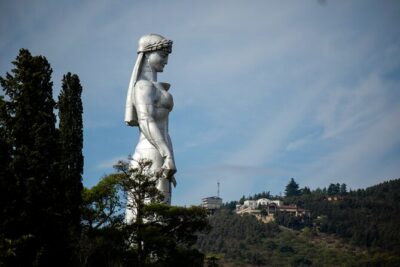
Tbilisi Old Town Walking Tour with a Local Guide
Read our review →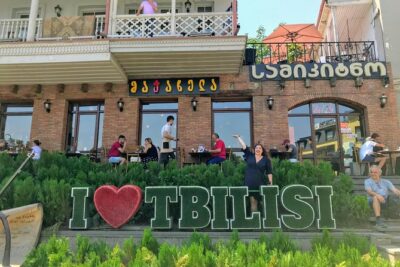
Discover Tbilisi: Hidden Gems and Iconic Sights Walking Tour
Read our review →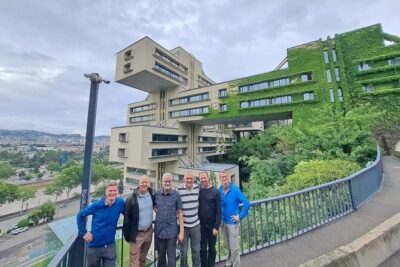
Tbilisi old town & soviet heritage – Private driver-guided Tour
Read our review →Browse the lists this tour appears in