
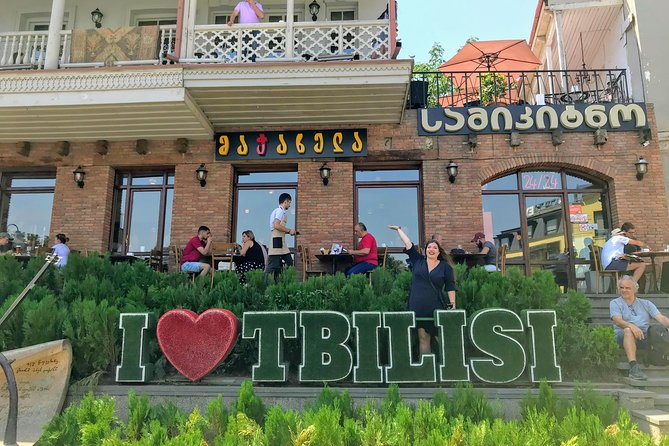
Reviewed · OLD TBILISI WALKING TOURS
Discover Tbilisi: Hidden Gems and Iconic Sights Walking Tour
Old Town Tbilisi has a way of stacking time on top of time, and this walking tour ties it together in a way you can actually follow. I love the big photo viewpoints around the Bridge of Peace and the Old Town bends, and I love how guides like Jonah, Oksana, Tamara, and Koba turn stones and statues into stories that make sense. One consideration, it is mostly walking on uneven streets, so comfortable shoes matter.
For $9, you are really paying for a local guide and smart pacing, not for expensive entries. The group stays small, with a cap listed at up to 12 people and an overall maximum of 15, which keeps it easy to ask questions and get real recommendations. Expect an English tour, with the option of English and Russian on some days.
Key Things I’d Highlight
- Freedom Square as your fast history shortcut, with the street grid that makes Old Tbilisi easier to navigate
- Free entry at nearly every stop, so your money goes to the guide and not tickets
- A multi-religion, multi-ethnic route, from Georgian Orthodox churches to a mosque and a synagogue
- Bridge of Peace and Narikala views that are easy to frame with a camera
- Small-group energy and photo help, including guides who slow down for the best angles
- A memorable finish at Dzveli Tbilisi Sulphur Waterfall, the kind of thing you will never forget
Start at Freedom Square, Then Read Tbilisi in Layers
Freedom Square, Svobody Square, sits at the eastern end of Rustaveli Avenue, basically the center of the map for first-time orientation. Start here, and suddenly the city makes more sense. You are also standing on a spot that has carried multiple names through multiple regimes, so the square becomes a quick lesson in how the city keeps changing political costumes.
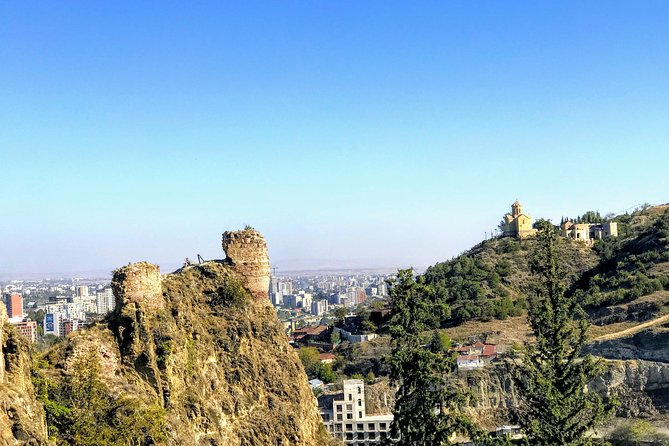
From there, you move toward the Old City area and the Tbilisi Wall Ruins. This is not a polished attraction, it is fragmentary, and that is the point. Seeing what’s left of old defenses helps you understand why today’s streets curve the way they do. It also makes the later viewpoints feel more earned, like the city you see now has always been about elevation and angles.
A small tip: if you want photos, keep your camera ready right near the start. This route gives you a lot of “stop, look up, shoot” moments, and the best light can vanish fast in Tbilisi.
More walking tours of Old Tbilisi:
- Tbilisi Walking Tour Including Cable Car and Traditional Bakery
★ 5.0 · 1,310 reviews - Tbilisi:Evening Walking & Talking Tour with Wine & Boat Ride
★ 5.0 · 572 reviews - Old Tbilisi Highlights walking tour with wine & 10 tastings
★ 5.0 · 276 reviews
Church and Mosque Stops: The Dress Rule That Saves You Stress
This tour includes places of worship, so dress code is not optional. The rule is simple: no shorts or sleeveless tops, and knees and shoulders must be covered for men and women. If you show up dressed wrong, you can be refused entry, even if you are only planning to look around for a few minutes.
Pace-wise, plan for a moderate walk. Old Tbilisi streets can be uneven, and you will cover quite a few blocks across the day’s loop. The route is long enough that planning your footwear is smart. I also suggest bringing a light layer, even in warmer months, because churches and mosques can feel cooler inside.
Because the tour is short, the guide keeps it moving while still giving you time to look closely. If you like asking questions, you’ll probably enjoy this part the most. People who want the city explained in plain language tend to do well here.
Anchiskhati Basilica and the 6th-Century Start You Can Feel
One of the first major “wow” stops is Anchiskhati Basilica of St Mary. Dating to the sixth century, it is described as the oldest surviving church in Tbilisi. Standing there, you get a strong sense that you are not just walking around modern streets, you are inside a city with deep roots.
What makes this stop work on a short walk is how the guide frames details. You are not only staring at architecture, you are learning what that age and continuity mean in daily life. The basilica’s age also gives you a reference point for everything else you’ll see, from later Orthodox sites to cultural monuments that mix Georgian, Armenian, and wider regional stories.
Practical note: entrances can mean brief pauses at corners and doors, and it can get slow if you are trying to read every inscription at once. If you want the full effect, do what the guide does, look, listen, then look again. That second look is where the meaning shows up.
And yes, cameras are welcome, but follow the place rules first. Dress code, quiet voices, and a bit of common sense will keep things easy.
Peace Bridge to Jan Shardeni Street: Views, Courtyards, and Photo Moments
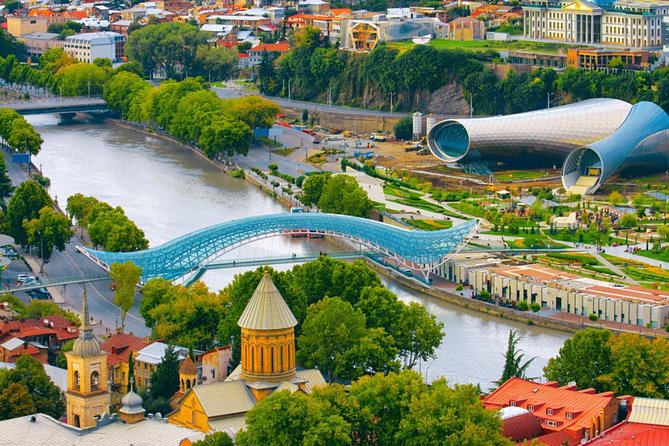
The Bridge of Peace is one of Tbilisi’s newest icons, opened in 2010, spanning the River Mtkvari (also known as the Kura). It is designed to look clean and modern, and it does something useful for a walking tour: it gives you a big, photogenic angle without needing a long climb.
Next comes Jan Shardeni Street. This pedestrian stretch is one of the most popular and beautiful streets in the city. Even if you do not plan to shop, it is worth walking slowly here just to absorb the atmosphere and the architecture in close-up. This is also where Old Town starts to feel like a living place, with restaurants, small courtyards, and older buildings that make the city look like it’s still thinking about the future.
You then get Old Town Tbilisi as a longer stop, about an hour. This is where you can linger, take photos, and snack if you want. If you are the type who likes small alley details, this is your moment.
The Rezo Gabriadze Marionette Theater adds culture to the walk. Opened in 1981, it is a much-loved part of Tbilisi’s cultural scene. Even if you do not see a performance, the stop gives the tour a rhythm shift from pure sightseeing to street-level art and personality.
Another kind of day out from Tbilisi:
- Day Trip to Kakheti Wine Region Including 9 Wine Tastings
★ 5.0 · 2,774 reviews - Highlights of Caucasus Mountains-Jinvali,Ananuri,Gudauri,Kazbegi(Group tour)
★ 5.0 · 2,682 reviews - Day Trip to Kazbegi and Gudauri
★ 5.0 · 2,009 reviews - Day Trip to Mtskheta Gori and Uplistsikhe
★ 5.0 · 1,801 reviews
Parajanov, Sayat-Nova, and the Creative Monuments That Make Tbilisi Feel Human
A walking tour can easily become a checklist of buildings. This one adds characters, and that is why it works.
Sergey Paradzhanov’s monument is one of those stops. Parajanov is tied to film masterpieces that gained worldwide praise, and the guide uses that connection to explain why he matters in Georgian and regional art. You start seeing that Tbilisi’s “stories” are not only written on church walls, they are also carved into public space through film and visual art.
Then you move to the Monument of Sayat-Nova. Sayat-Nova, an Armenian poet and musician, is commemorated near the St Kevork Armenian church. The area’s story adds an extra layer, because it connects the monument site to a moment of hiding and tragedy during an attack in 1795. It’s heavy in theme, but it gives context to why this city celebrates artists so publicly.
Two more monuments keep the mood grounded and fun. The Sculpture the Toaster shows a man holding a horn, modeled on an ancient Colchian statuette and nicknamed tamada. And Sofiko Chiaureli gets her own monument. She was a Soviet Georgian actress, and this stop helps you read the city as a place that honors performance and popular culture, not only religious or political power.
If your brain likes connections, this set of stops is where things click: art, identity, and public memory all share the same sidewalk.
Tramway to Narikala Views and Rike Park: Crossing the River the Easy Way
Tbilisi’s best viewpoints often come from elevation, and this route includes an option that makes that easy. The aerial tramway connects Rike Park with Narikala, the fortress overlooking the city. It opened on June 23, 2012. The ticket is not included, so treat it as an optional upgrade if you want the view stretch and a quick ride.
Even if you skip the tramway, the idea still matters. Narikala is a powerful visual anchor in the city, and including it helps you understand why Tbilisi looks the way it does from street level. The Old Town sits below, and everything feels like it’s arranged to be seen in layers.
Rike Park comes next. It’s a public recreation area across the river that works well for a short break. You get open space, family-friendly energy, and the kind of river-adjacent views that make a camera happy. It also gives your legs a chance to reset between denser Old Town streets.
If you like planning, this is a great mid-tour checkpoint. After it, you can decide whether to focus the rest of your day on more churches, more neighborhoods, or a food-focused loop.
Sololaki Icons and Multi-Faith Tbilisi: Sioni, Jumah, and the Synagogue
You visit Sioni Cathedral, the Dormition church, a Georgian Orthodox cathedral in Tbilisi named for Mount Zion tradition. It’s another major anchor for understanding the city’s spiritual center of gravity. Like Anchiskhati, it’s a place where the guide’s framing matters because you are learning what makes the naming tradition meaningful, not only looking at stonework.
Next is Kartlis Deda, a monument on Sololaki hill. Erected in 1958 for Tbilisi’s 1500th anniversary, it is a 20-meter aluminum statue of a woman in Georgian national dress. Even if you are not into monuments, this one helps you “read” the hill. You understand what areas were meant to watch over the city and what areas were built to be seen from below.
Then comes Jumah Mosque, the Friday Mosque in the Old Town. The architecture is said to surprise people because it does not always read as a mosque at first glance. It also has a notable detail: it is described as one of the few places where Shias and Sunnis pray together, and it is open for visitors of all religions or beliefs.
Finally, you reach the Great Synagogue of Tbilisi, also known as the Georgian Synagogue. Built from 1895 to 1903 in an eclectic style, it is tied to Georgian Jews from Akhaltsikhe who migrated to Tbilisi in the late 19th century. This stop is valuable because it widens the story of Tbilisi beyond one community, showing how different faith groups shaped the city’s streets and skyline.
Bazaar Finds and the Sulphur Waterfall Finish
You end with a mix of everyday life and oddball monuments, which is exactly the right way to close Old Town. Start with Meidan Bazaar. If you want a quick browse for souvenirs and a change of pace from temples and statues, this is the easy answer. It’s designed for people who do not want to wander too far looking for small purchases.
Then you get the Monument Fountain Falcon and Pheasant. The legend tied to it explains how Tbilisi was established in the 5th century by King Vakhtang Gorgasal. It’s a story-driven stop, and it fits well after the earlier art monuments because it shows how myths live in public spaces.
The last wow is Dzveli Tbilisi Sulphur Waterfall, described as a real waterfall in the city center. You’ll probably know it by smell before you see it, but that’s part of the deal. Tbilisi’s identity is tied to sulphur baths and this kind of water, so having it at the end turns the walk into a full sensory memory, not just visual sightseeing.
By the time you reach this finish point, you will have seen churches, mosques, a synagogue, major city viewpoints, and a handful of quirky sculptures. That’s a lot of Tbilisi in a short loop.
Should You Book This Freedom Square Old Town Walk?
If you want an efficient first look at Tbilisi with a small group and mostly free stops, this is a strong pick for $9. It’s especially good if you like your sightseeing tied to meaning, not just dates, and if you want help noticing details you’d normally miss.
I’d book it early in your trip. You’ll leave with a mental map of how Freedom Square, Old Town, and the river areas connect, so planning the rest of your days gets easier.
Skip it only if you struggle with sustained walking on uneven streets, or if you cannot meet the simple dress rule for worship stops.
FAQ
How long is the walking tour?
It lasts about 2 hours 30 minutes to 3 hours 30 minutes.
What does the tour cost?
The price is $9.00 per person.
Where does the tour start?
It starts back at Freedom Square area, listed at BurberryFreedom Square, შალვა დადიანის ქუჩა, Mtawminda 0105, Georgia.
How does the tour end?
It ends back at the same meeting point.
Is the tour in English?
Yes, it is offered in English. In exceptional cases, it can run with an additional Russian-speaking guide at the same time.
Is admission included for all stops?
Most stops list admission as free. The aerial tramway is not included.
Is hotel pick-up included?
No hotel pick-up is included.
Is there a dress code?
Yes. Knees and shoulders must be covered for places of worship and selected museums. No shorts or sleeveless tops.
How big is the group?
The tour is listed as small-group, with a maximum of 12 people. The activity also lists an overall maximum of 15 travelers.
What should I do if the weather is bad?
This experience requires good weather. If it is canceled due to poor weather, you are offered a different date or a full refund.
What if I need to cancel?
Free cancellation is available up to 24 hours in advance for a full refund. If you cancel less than 24 hours before start time, the amount paid is not refunded.
Recently added around Tbilisi
- Private Adorable City Tour of Tbilisi★ 5.0 · 3 reviews
- Old tbilisi walking tour & wine tasting★ 5.0 · 9 reviews
- Tbilisi Airport to Gudauri, Bakuriani, Batumi, Tbilisi★ 5.0 · 3 reviews
- full day Kazbegi-Gudauri-jvari -from Tbilisi★ 5.0 · 6 reviews
- Vardzia. Lake Paravani, Khertvisi & Lomisa castle, Rabati★ 4.5 · 12 reviews
- Your unique photo session in Tblisi, Georgia★ 3.5 · 4 reviews
- Wine Tasting in Tbilisi★ 5.0 · 8 reviews
- Wine promenade in hospitable Tbilisi★ 5.0 · 17 reviews
Old Tbilisi Walking Tours, compared.

Tbilisi Walking Tour Including Cable Car and Traditional Bakery
Read our review →
Evening Walking & Talking Tour with Wine & Boat Ride
Read our review →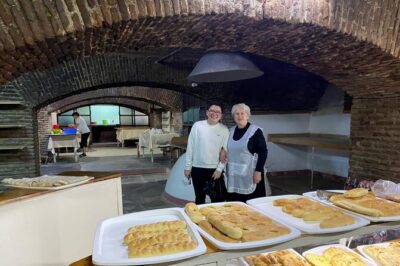
Old Tbilisi Highlights walking tour with wine & 10 tastings
Read our review →
Old Tbilisi Tour: Private Walking Tour With Wine Tasting
Read our review →
Private Tbilisi Food Tour: 9 Tastings Walk in Bohemian District
Read our review →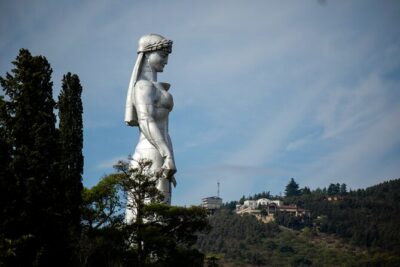
Tbilisi Old Town Walking Tour with a Local Guide
Read our review →
Tbilisi old town & soviet heritage – Private driver-guided Tour
Read our review →
Browse the lists this tour appears in