
Reviewed · TUSHETI & KHEVSURETI WILDERNESS TRIPS
3 Day Tusheti Tour Explore Unspoiled Wilderness
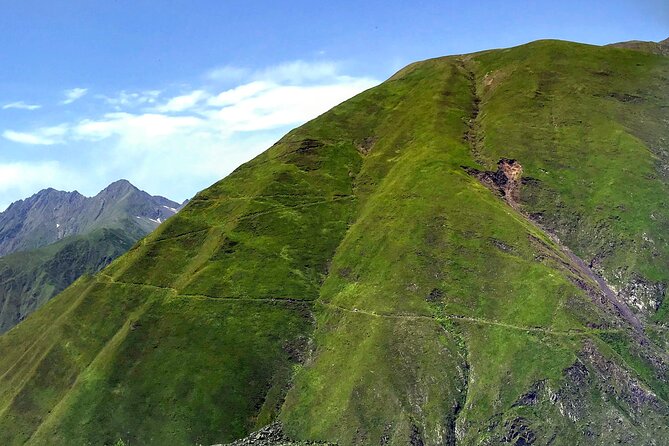
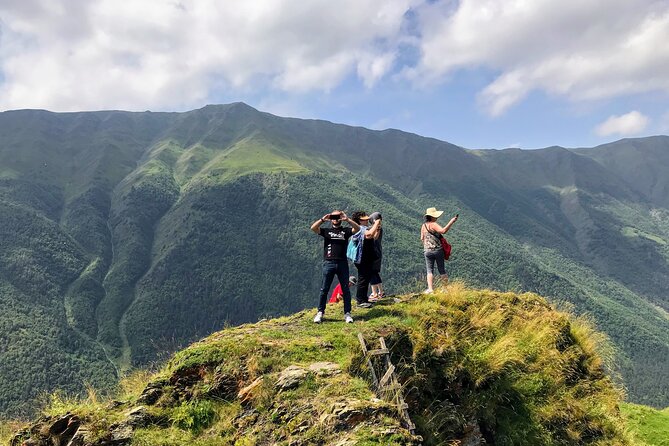
Tusheti is the kind of place that feels remote on purpose. You ride high mountain roads, cross major passes, and meet communities built for mountain life long before tourists arrived in Georgia. The driving can be intense, but the reward is real time in a protected, rugged corner of the Caucasus.
I especially like the way this itinerary mixes monastery stops and village history with the big Tusheti viewpoints. You get context at places like Alaverdi St. George Cathedral, then you see how that same faith and stonework style echoes in the tower villages. I also love that the people running the trip, including guides like Jonah and Koba and drivers such as Gotcha or Vepho, focus on keeping you safe and comfortable on steep, twisty roads.
The one drawback to plan for is that Tusheti is not a smooth, luxury ride through easy roads. Limited infrastructure means rustic guesthouse living, limited phone coverage, cash-only situations, and unpredictable weather. If you get carsick easily or want modern comforts all the time, you’ll need to take extra care.
Key things that make this Tusheti tour worth your time
- Up to 6 people in a small group, which matters a lot on narrow mountain roads
- Gombori Pass and Abano Pass crossings, including a high motorable pass around 2,826 to 2,850 meters
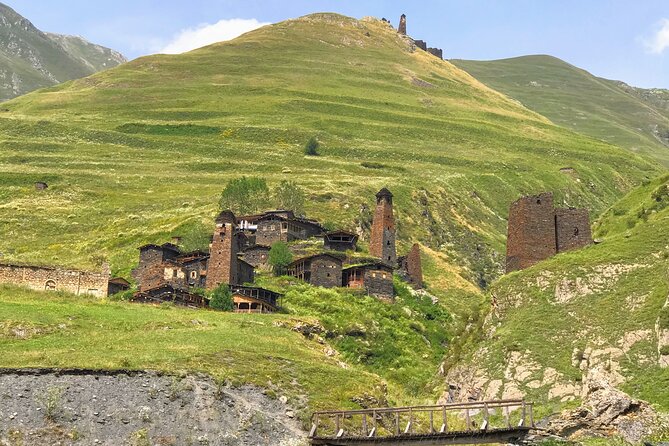
- Tower villages that still look lived-in, especially Dartlo and Shenako with stone-and-wood traditions
- An Omalo-area guesthouse stay, simple but comfortable, with home-cooked meals included
- Guides who know the road and the stories, like Jonah and Koba, plus drivers known for calm handling
- Flexible routing if weather hits, with the trip able to adjust and still get you back to Tbilisi
Why Tusheti feels like the real Georgia (and not a checklist)
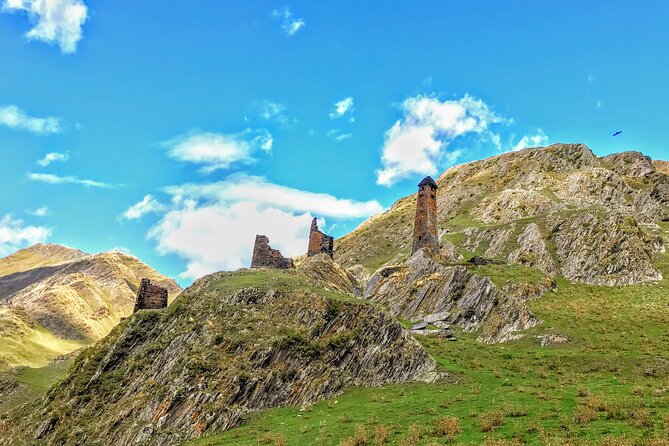
Tusheti sits up in the mountains of eastern Georgia, and that elevation changes everything. The air feels different, the weather can shift fast, and the region stays cut off from day-to-day modern life. Even if you’ve visited Georgia’s cities, this area hits you with a slower pace and a harsher reality of stone houses, sheep routes, and steep passes.
This tour leans hard into that remote rhythm. You’re not just stopping at one scenic viewpoint. You’re moving between high passes, monasteries below, and mountain villages above, so you see how the geography shapes the culture. The best part is that the experience stays practical: you learn why certain places matter and then you watch how people still live around them.
And yes, you’ll spend serious time in the car. But the road itself is the point. The route up to Tusheti is famous for winding turns and changing scenery as you climb from drier ground into greener mountain zones.
More Tusheti and Khevsureti trips:
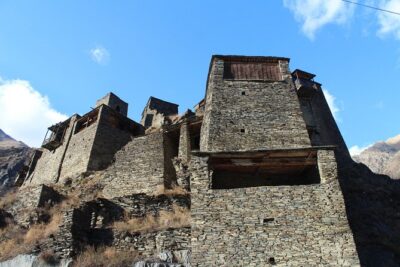
- day trip to Shatili, Khevsureti, Mutso, Ananuri.
★ 5.0 · 21 reviews - Five days tour to Khevsureti (Abudelauri lakes) & Kazbegi with hikes.
★ 5.0 · 14 reviews - Trekking Tour from Tusheti to Khevsureti via Atsunta Pass
★ 5.0 · 6 reviews
Price and value: what $335 buys you (and what it does not)
At $335 per person, this is priced like a serious regional trip, not a quick bus excursion. Here’s where the value comes from:
- Breakfast (2) and dinner (2) are included. That matters in a remote area where it can be harder to find decent meals on the fly.
- Your stay is in a traditional guesthouse in the Omalo area. The rooms are described as simple but clean, and you get private bathroom access in that guesthouse setup.
- You also get English-speaking guiding, plus pickup service and a vehicle suited for rugged roads (a Mitsubishi Delica).
What’s not included is also important, so you aren’t surprised:
- Additional food and beverages beyond the included meals
- Horse riding (optional)
- If you want a private room, there’s an extra $50 for 2 nights
If you compare this to the cost of private transport plus guide time plus guesthouse logistics in a remote mountain area, the price feels fair. The biggest reason to book is not just the sights. It’s the effort of getting you safely into a region with limited infrastructure.
Day 1: Gombori Pass viewpoints, Alaverdi Cathedral, then the climb toward Tusheti
Day 1 is a long one. It starts with scenic driving and major cultural stops, then it transitions into the slow build of mountain travel.
Gombori Pass and its viewing platform
You’ll cross Gombori Pass, the route that connects Tbilisi and Telavi. It’s known for winding roads and sweeping views over the Alazani Valley. As you climb, the environment shifts from semi-dry zones into greener areas, so even without stepping out often, you still feel the landscape change.
At the top, you can visit the Gombori viewing platform for panoramic views. This stop also adds history. The pass sits on the old Great Silk Road route, and there’s the 17th-century Gombori Fortress to see.
Practical note: road stops and viewpoint breaks are part of why this day works. Wear layers, since mountain air can feel colder even when the lower valley is warm.
Longer tours running out of Tbilisi:
- Discover Georgia: A 4-Day Private tour from Tbilisi
★ 5.0 · 53 reviews - Best of Armenia: private 2-3 days tour to Yerevan w/ family lunch
★ 5.0 · 38 reviews - Private 4-Day Tours & Transfers from Tbilisi to Top Georgia Spots
★ 5.0 · 36 reviews - A 6-Day Private Expedition into Rich Heritage
★ 5.0 · 34 reviews
Alaverdi St. George Cathedral (Alaverdi Monastery)
Next comes Alaverdi St. George Cathedral, one of eastern Georgia’s key religious sites. The monastery is tied to foundations going back to the 6th century, with the standout cathedral built in the 11th century. Inside, you’re looking at frescoes, carvings, and priceless religious items like manuscripts and icons.
What I like about this stop is the contrast. You go from valley culture and monumental church design to the harder, more remote life of Tusheti later the same day.
The long road into Tusheti National Park, with mountain villages along the way
Then the tour shifts into full Tusheti mode. The drive into the Tusheti National Park area is described as the adventure itself. You’ll be moving for hours, and during this part you’ll see alpine pastures, higher-elevation villages, and traditional elements like stone towers and old churches.
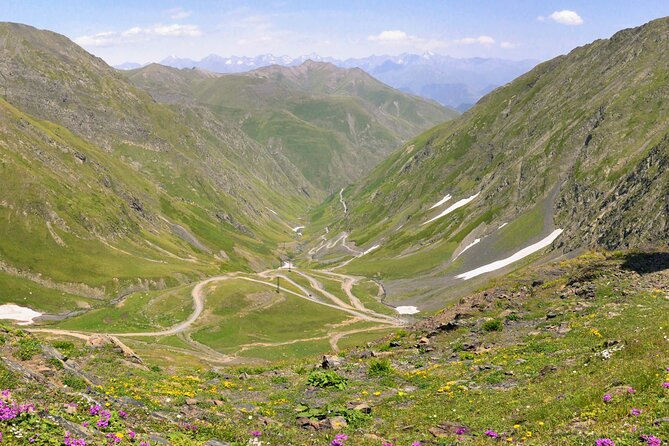
There’s a key timing detail: the Abano Pass is among the highest motorable passes in Georgia. It’s only open seasonally, described as late May to early October, because snow blocks it outside that window. That seasonal reality is part of why the Tusheti season is limited.
Omalo guesthouse evening
When you reach Omalo (often written similarly as Onalo in different places), you get to slow down. This is where the trip includes accommodation in a traditional guesthouse. Rooms are simple and clean, and you get private bathroom access.
What makes this evening special is the people and the routine. The hosts are described as friendly and focused on home-cooked meals using local produce. They can also arrange activities like horse riding or hiking if you want it.
If you’re hoping for a night where you can actually feel the region, this is the point. Omalo is small, quiet, and surrounded by mountain views that feel close even from a seated moment on a guesthouse bench.
Abano Pass crossing
Day 1 ends with the Abano Pass, around 2,850 meters. This is the highest motorable pass in Georgia in the way the tour describes it, and the scenery on the way up and across is built for photo breaks. Even in summer, it can be covered in snow at times.
One of the most memorable details is that you may see sheep flocks led by local shepherds right around the pass. It’s not staged. It’s just what mountain life looks like when the terrain is part of daily work.
Day 2: Dartlo and Shenako tower villages, plus Diklo ruins for the in-between story
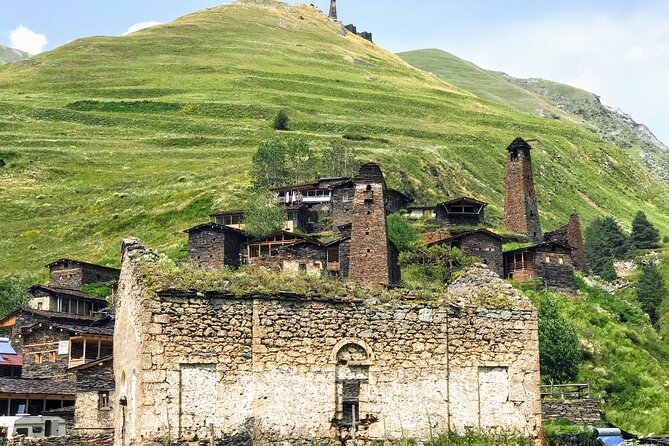
Day 2 is more about village architecture and the logic of mountain defenses. The villages here are not just scenic. They’re built to manage threats, livestock needs, and weather.
Dartlo: stone houses, a tower tradition, and the Iakhsari Icon Complex
Dartlo is known for its narrow streets and traditional stone buildings. You’ll also see religious structures connected to both pagan and Christian traditions. That mix matters because it shows how belief and community life evolved without erasing earlier layers.
You may visit:
- The Dartlo Church from the 19th century
- The Nachauridzes family tower from the late medieval period
- The Iakhsari Icon Complex, on a slope of Dartlo Mountain, dedicated to a pagan deity. The complex includes a hall, sacristy, flag tower, and women’s page among other buildings.
This is the kind of stop where a good guide changes everything. Without context, you might just see stones and old walls. With context, you start seeing how the site is organized and why it was built that way.
Diklo: fortress ruins and shepherd life in the high country
Then you move to Diklo, where you can see ruins of a fortress overlooking the village. You’ll also spot summer shelters for shepherds and sheep, plus a simple guesthouse.
The seasonal pattern is part of the story. Diklo is described as depopulated in winter because of harsh climate and difficult roads. That makes a difference in how you interpret what you see: it’s not a living town in the modern sense, it’s a seasonal mountain community.
Shenako: black stone tower houses and St George’s Church details
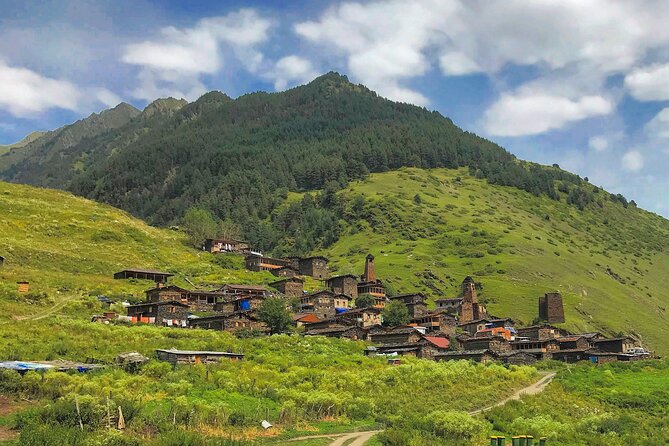
Shenako is one of the signature Tusheti village stops. The towers here are described as built in the Middle Ages from black flat stones and wood. The design is practical: livestock in the ground floor, living space above, and protection from intruders higher up.
In Shenako, you’ll also visit St George’s Church, built in the 19th century. The description gets wonderfully specific:
- It’s a free-cross domed building with slate and limestone
- The dome has eight narrow and arched windows
- The church has whitewashed walls and an octagonal, tin-covered dome with a pyramidal roof
- There’s a rectangular doorway with three semi-circular arches on three sides
- A square bell tower exists, but only foundations remain
- The church area includes a Lavgardan slate shelf surrounding it, plus gate and minaret elements
If you care about architecture, this is your day. And if you just want to wander, Shenako still delivers because the setting is made for slow walking and quiet noticing.
Day 3: Omalo’s Keselo Fortress and a return toward Tbilisi
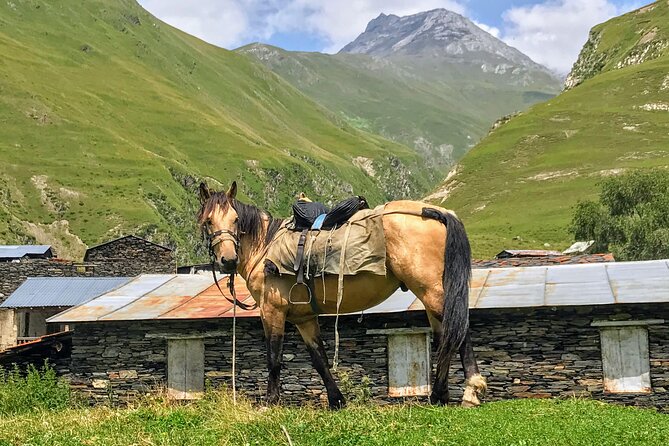
Day 3 keeps you in Omalo for a final sweep, then it ends with a late afternoon return to Tbilisi.
Keselo Fortress and why it dates to the Mongol era
You’ll visit Keselo Fortress, tied to the period around the Mongol invasion of 1230. The fortress served as defense against raids from North Caucasian tribes, which gives the stonework a clear purpose beyond aesthetics.
The fortress has been partially restored in recent years, so you can still interpret the structure without feeling like you’re standing in total ruin.
Omalo’s small population and older home styles
The village of Omalo is described as having only 37 inhabitants, which is small enough that you can feel like you’re visiting a real home area, not a theme village. The houses date between the 17th and 19th centuries, and you’ll see the distinctive local architecture designed for mountain conditions.
After that, you head back to Tbilisi. Plan to arrive tired. That’s not a flaw. That fatigue is part of how the trip earns its memories.
The road, altitude, and rough edges you should plan for
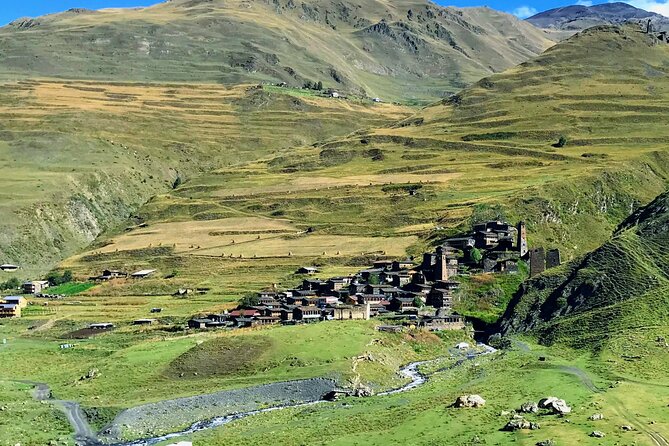
This is where you decide if Tusheti is your kind of trip.
Motion sickness and long drives
The route includes challenging roads with steep climbs, and the tour explicitly warns about limited infrastructure and rough terrain. If motion sickness hits you, consider medication beforehand. Also, keep your expectations realistic: time is not just travel time, it’s part of the experience, and you might move slowly when conditions demand it.
Altitude around 1,800 to 2,900 meters
Tusheti sits high, described as roughly 1,800 to 2,900 meters. That can affect sleep and breathing for some people. If you’ve dealt with altitude sickness before, talk with a doctor before you go, and be honest about your risk.
Weather can flip quickly
Expect the unexpected. Weather can change fast, with heavy rain and even snow possible. That means bring warm clothing and waterproof gear. Layers help more than one bulky jacket, because temperatures can swing between valley and pass.
Rustic reality: limited power, water, and phone coverage
The trip also notes limited access to electricity and running water in Tusheti. Cell coverage is limited too, so have a backup communication plan for emergencies.
Also, bring cash, because credit cards are not accepted in Tusheti.
Medical and safety considerations
Medical facilities are limited, and evacuation can be difficult in remote areas. You’ll want proper travel insurance and to go only if you’re in solid health.
Why the guide and driver team is the secret ingredient
In a place like Tusheti, the right driver and the right guide change the whole trip. This itinerary keeps group size small, max 6 travelers, and the vehicle is a Mitsubishi Delica built for rough terrain, not comfort-first roads.
What you want from the team is simple:
- Calm driving on cliffside turns
- Timing that balances viewpoints with safety
- Local knowledge that explains why a stone tower or church matters
The names that pop up in this route include Jonah and Koba as guides, and Gotcha, Vepho, Goce, and Davit as drivers. In every case, the theme is the same: people feel safe and the long drive becomes manageable, even if the roads make your stomach do a little flip.
One practical detail that keeps showing up is photo-friendly stops. Good drivers find safe moments to pull over so you can actually enjoy the views instead of just watching them through a window.
Who should book this 3-day Tusheti adventure
Book this if:
- You want mountain villages and tower architecture, not just scenic drives
- You enjoy real guesthouse nights with simple rooms and included meals
- You can handle a moderate fitness level and long, winding travel days
- You value a small group and a team that prioritizes safety and local context
Consider skipping if:
- You need modern comfort and reliable services like easy electricity and water access
- You get motion sickness easily and can’t manage it
- You’re planning outside the June to September season window, when the region’s access is limited
- You’re expecting everything to be rigid and on schedule, because weather and road conditions can trigger changes
Should you book this 3-day Tusheti tour?
If you like the idea of stepping into a remote Georgian world where passes, churches, and stone towers all connect, I think this tour is a strong choice. It’s not just a sightseeing hit list. You get a real sequence: valley culture, then the mountain climb, then village history, then a guesthouse life in Omalo.
The decision comes down to one thing: can you handle rustic conditions and road time without needing everything to feel easy? If yes, this is the kind of trip you remember for years. If no, you might be happier with a lower-altitude itinerary where services are closer and the schedule is less weather-dependent.
FAQ
What is the price of the 3-day Tusheti tour?
The tour costs $335.00 per person.
Where does the tour start, and what time is pickup?
The start time is 7:00 am, and pickup is offered. You’ll need to provide accurate contact details, like email or WhatsApp.
What is included in the tour price?
The tour includes breakfast (2) and dinner (2), and it includes comfortable accommodations in a guesthouse with single or double rooms.
What is not included?
Not included are additional food and beverages, horse riding (optional), and there is an extra $50 USD for 2 nights if you want a private room.
What language is the tour offered in?
The tour is offered in English.
When is the Tusheti tour season?
The tour is available during a limited season, typically June to September.
How big is the group?
The tour has a maximum of 6 travelers.
More 3-Day Experiences in Tbilisi
- Private 3-Day Tours & Transfers from Tbilisi to Top Georgia Spots
★ 5.0 · 31 reviews - 3-Day Hiking Group Tour in Kazbegi
★ 5.0 · 14 reviews - Amazing 3 days Tour to Georgia
★ 5.0 · 12 reviews - 3-Day Private Mestia and Ushguli Tour from Tbilisi
★ 4.0 · 10 reviews
More National Parks in Tbilisi
- Borjomi National Park Full Day Private Tour From Tbilisi
★ 5.0 · 14 reviews
Recently added around Tbilisi
- Private Adorable City Tour of Tbilisi★ 5.0 · 3 reviews
- Old tbilisi walking tour & wine tasting★ 5.0 · 9 reviews
- Tbilisi Airport to Gudauri, Bakuriani, Batumi, Tbilisi★ 5.0 · 3 reviews
- full day Kazbegi-Gudauri-jvari -from Tbilisi★ 5.0 · 6 reviews
- Vardzia. Lake Paravani, Khertvisi & Lomisa castle, Rabati★ 4.5 · 12 reviews
- Your unique photo session in Tblisi, Georgia★ 3.5 · 4 reviews
- Wine Tasting in Tbilisi★ 5.0 · 8 reviews
- Wine promenade in hospitable Tbilisi★ 5.0 · 17 reviews
Tusheti & Khevsureti Wilderness Trips, compared.
day trip to Shatili, Khevsureti, Mutso, Ananuri.
Read our review →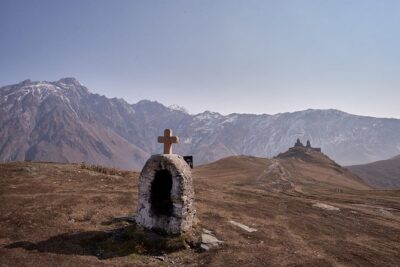
Five days tour to Khevsureti (Abudelauri lakes) & Kazbegi with hikes.
Read our review →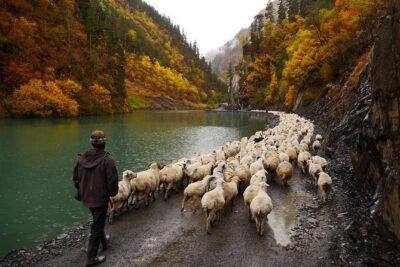
Trekking Tour from Tusheti to Khevsureti via Atsunta Pass
Read our review →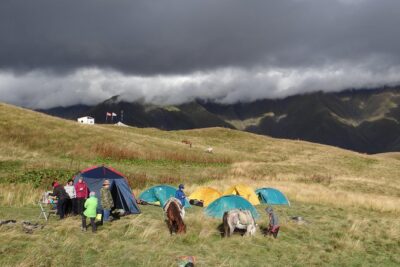
7-day hiking expedition to Tusheti through the Atsunta pass
Read our review →Browse the lists this tour appears in