
Reviewed · GEORGIAN COOKING CLASSES
Small-Group Khinkali and Khachapuri Cooking Class in Tbilisi
This is a fun, food-first way to experience Tbilisi, because you learn to make two classics you will actually eat right after. I especially like that this small-group class keeps things personal, with step-by-step guidance and lots of time at your table.
I also like the setup in the restaurant hall: you still do real work with dough and fillings, and you get to enjoy Georgian wine and farm-style cheeses as part of the meal. One thing to consider is that this is not a kitchen tour, and some of the hot cooking happens out of sight, so if you want full chef-level action, you may feel slightly limited.
Key takeaways before you go
- Central downtown meeting point on Griboedov Street, easy to pair with other Tbilisi stops
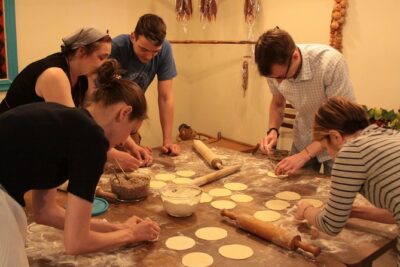
- Small group up to 6 makes it feel more like a shared workshop than a show
- English instruction with patient, funny teaching styles mentioned by named instructors like Vladimir, Artem, and Seva
- Hands-on focus on khachapuri dough and cheese assembly, plus khinkali shaping
- Meal included with wine, a tomato-based vegetable salad, and a cheese platter
- Restaurant-hall format means you cook mostly “to readiness,” while final hot steps are handled behind closed doors
Khinkali Meets Khachapuri in Tbilisi, the 2-Hour Sweet Spot
If you want a cooking class that fits a busy itinerary, this one hits the mark. It’s roughly 2 hours, designed so you can learn two Georgian favorites without spending half a day in the kitchen. That matters in Tbilisi, where you can easily fill your schedule with tastings, churches, viewpoints, and wine bars.
You’ll focus on both texture and technique. Khinkali asks for good dough handling and neat folding, while khachapuri is all about rolling, filling, and getting the cheese to the right state.
I like that it’s practical, not just storytelling. You leave with the muscle memory for shaping dumplings and assembling a cheese bread you can repeat at home, not just a vague memory of how it tasted.
More Georgian cooking classes:
- Cook True Ajarian Khachapuri and Khinkali in Highlanders Style
★ 5.0 · 93 reviews - Maia and Nina’s Magic Kitchen
★ 5.0 · 49 reviews - Taste of Kakheti: Wine Tour Bread Baking & Churchkhela Workshop
★ 4.5 · 46 reviews
Finding St.Bunny31 on Griboedov Street and Settling In
You meet at St.Bunny31, Griboedov St, Tbilisi. It is in the downtown area, which means you can usually get there without a long ride, and it is near public transportation.
This also helps with the overall vibe. When a class is central, you can arrive on foot, walk off the nerves, and then settle into a cozy restaurant setting. It is also where you’ll start the meal portion, since you get welcomed with Georgian wine, salad, and farm cheese.
Practical note: you receive confirmation at booking time, and the tour uses a mobile ticket. Service animals are allowed, so if you travel with one, you can plan with more confidence.
Inside the Restaurant Hall, Not the Kitchen: How the Class Is Structured
The biggest thing to understand is the location of the action. The workshop takes place inside the restaurant hall, not in the kitchen area. That means you are seated where you can work safely, watch what you need to watch, and get instructions face-to-face.
It also means a portion of the process is handled behind closed doors. Some of the hot cooking is done by staff, then the finished food is brought out for you to eat. One reviewer experience described khinkali dough being pre-prepared, with participants focusing on the folding and shaping, which is a common way these classes keep time under control.
For you, the upside is comfort and clear visibility. You can actually follow the steps without weaving through equipment and chaos. The tradeoff is that you will not run every single hot cooking stage with your own hands.
Your Khachapuri Mission: Dough, Filling Prep, and Cheese to Readiness
Khachapuri in this class is Imeretian style, meaning a cheese-centered version with a fragrant, browned crust goal. The class is built so you do the key hands-on parts rather than only watching.
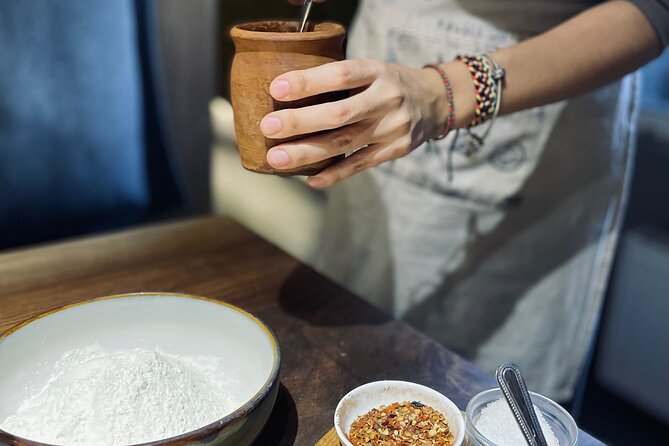
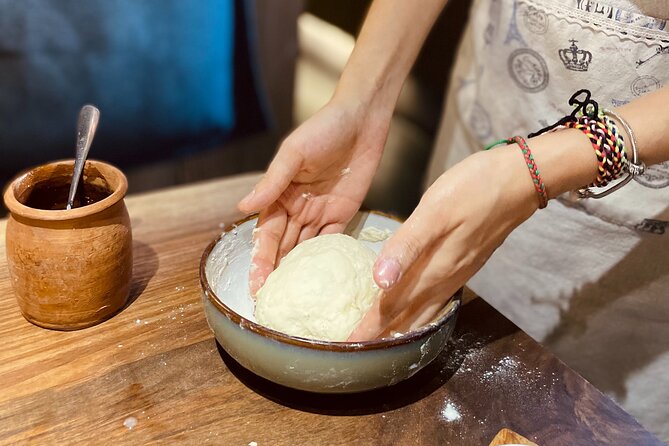
You’ll be guided through preparing khachapuri dough and the filling, and then you’ll spread cheese and bring the pastry to readiness. This is where the class feels most like a true workshop, because dough handling is tactile, and you get to practice while the instructor corrects what matters.
Why this part is valuable: dough is where many people feel stuck at home. When you learn how it should feel in the hands, you stop guessing and start trusting. You also get to see what “ready” looks like before it goes to the final heat stage.
And because it is Imeretian khachapuri, the cheese is the star. You’ll learn how the filling is composed and how to distribute it so you get the classic cheesy result, not a lopsided one.
More workshops and classes around Tbilisi:
- Nana’s Kitchen – traditional Georgian cooking class at real Georgian family home
★ 5.0 · 37 reviews - Join a Local for a Market Tour, Cooking Class and Meal in her Tbilisi Home
★ 5.0 · 15 reviews - Georgian Dance Class in Tbilisi, Georgia
★ 5.0 · 10 reviews - Taste of Georgia. Cooking-Class Khinkali, Khachapuri and more
★ 5.0 · 7 reviews
Khinkali Folding Practice and Dumpling Secrets You Can Actually Use
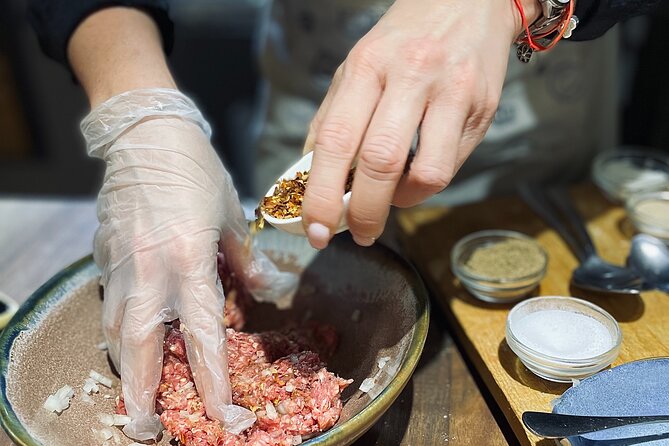
Khinkali are Georgian dumplings, famous for their pleated, cinched tops. In this workshop, the chef explains the dough process and how the filling should be handled. Then you get hands-on training on the part that most people want to master: sculpting the khinkali.
What you do matters. Learning how to shape the dumpling is not just a party trick. It affects how the dumpling holds together and how the filling stays sealed during cooking. When you finish a proper cinched dumpling, you get that satisfying sense that it will actually work.
The class is also flavored with stories. The chef shares histories and funny details about Tbilisi while you shape, which keeps the workshop from feeling like a timed school exercise. You’re working, but you’re not stressed.
A practical tip for you: keep an eye on how the instructor pinches and pleats. The shaping technique is repeatable if you focus on one step at a time, not the whole dumpling at once.
The Included Meal: Wine, Tomato Salad, and a Cheese Platter
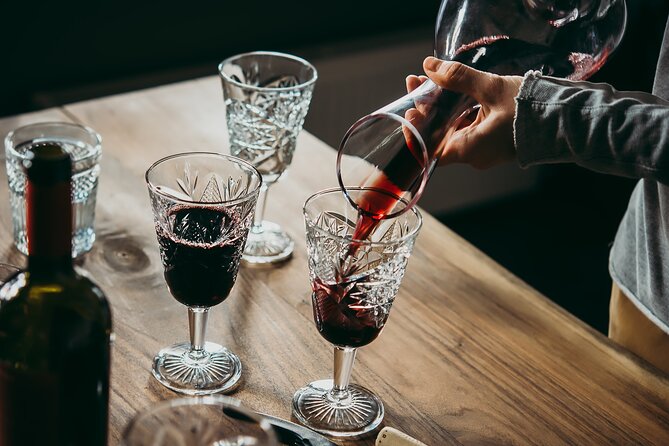
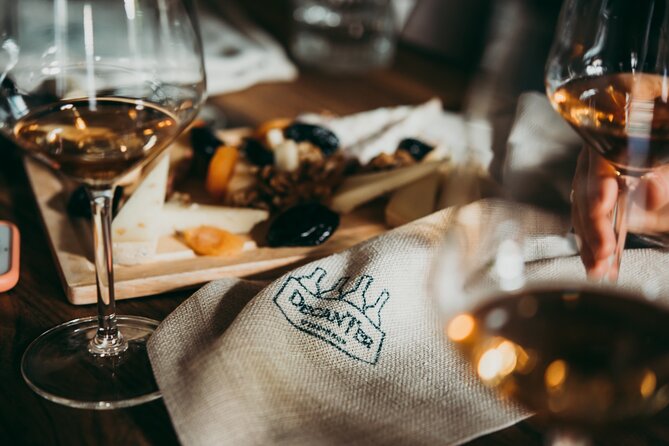
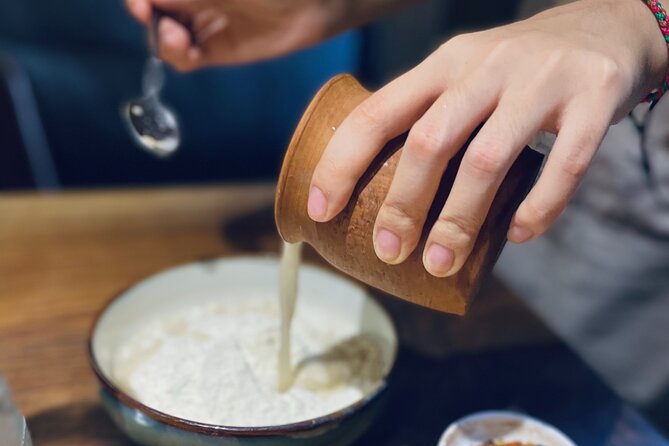
Cooking classes can be thin on food, but this one builds in the meal. You get Georgian wine, a vegetable salad made from Georgian tomatoes, and a plate of farm cheeses.
This is more than a nice bonus. The food pieces set the rhythm. You’ll taste first, then cook, then eat what you made. That sequence makes the techniques stick. When you recognize the flavors you are chasing, the instruction turns into something you can compare against your own result.
The wine is part of the welcome, and it shows up again during the friendly, casual atmosphere. Just remember that some participants have noted limited wine options. If you are sensitive to red wine only, you’ll want to ask in advance if you have dietary or personal restrictions.
Instructor Energy, English Clarity, and Real-Time Help
The instructors are a huge reason this class gets high praise. Named instructors mentioned in the experiences include Chef Vladimir, Artem, and Seva. Across these names, the common thread is patient, step-by-step teaching with enough humor to keep you relaxed.
Because the class is in English, it works well even if you are new to Georgian cooking. You are not forced to translate a recipe by yourself. The instructor talks through what you are doing while you do it, which is how most beginners actually improve.
Also, the teaching style matters for confidence. One of the best outcomes from this kind of class is realizing that you can succeed even with zero cooking background. When the instructor keeps instructions clear and gives you quick corrections, the whole experience stops feeling like a test.
How Group Size and Time Affect Your Hands-On Experience
This class is presented as a maximum of 6 travelers, and that limit is a key part of why it feels personal. A smaller group means more attention and fewer people crowding one table space.
Still, you should plan for the reality of tourism seasons. Some experiences described group sizes that felt larger than advertised. If you are the type who worries about crowded seating or waiting for materials, you might want to book earlier in your trip and come ready to be flexible.
Time is another factor. The target is about 2 hours, but some sessions may run longer because of service timing and dining. Expect that you will spend most of your time actively cooking and shaping, and then you’ll eat what’s finished.
Bottom line: for the best hands-on feel, prioritize sessions where the group stays small and the instructor gets enough uninterrupted table time.
Price and Value: Why $27.50 Often Feels Like a Deal
At $27.50 per person, this class is priced like an affordable meal plus a workshop. The value comes from the combination:
- You get multiple Georgian dishes (khinkali and Imeretian khachapuri)
- You get a meal experience that includes wine, cheese, and a tomato-based salad
- You get guided instruction and time to shape and assemble
For many people, that is the difference between buying food and learning to make it. You are paying for instruction plus an actual meal outcome, not just tasting small bites.
Is it a bargain? For most budgets, yes, especially because it is central and only takes about two hours. It also gives you a repeatable skill. Once you make khinkali dough handling feel manageable and khachapuri assembly feel familiar, you can recreate the dishes at home without paying full restaurant prices.
Who Should Book This Cooking Class (and Who Might Skip It)
You should book if:
- You want a hands-on Georgian food experience in a short window
- You enjoy learning from a friendly instructor, not just watching cooking tips
- You like communal tables and casual conversation while you work
- You want to eat a full plate after cooking, not a tiny snack
You might hesitate if:
- You expect full kitchen access and want to personally handle all hot cooking stages
- You’re very strict about maximum group size, because real-world seating can shift in busy periods
- You want more culture talk during downtime, not just while you cook and shape
For families, it can work too. At least one experience described it as a good option for adults and children, with a full meal and included wine as part of the adult experience.
Should You Book This Khinkali and Khachapuri Class in Tbilisi?
I think you should, especially if you want a practical Georgian cooking lesson that stays friendly, social, and affordable. The best part is the combination of learning + eating with real technique, not only tasting.
If you want dumpling and cheesy bread skills in one sitting, this is a strong match. And if you care about comfort and a clear, English-friendly teaching flow, the restaurant-hall setup is actually a plus.
Just go in with the right expectations: you will do a lot of the shaping and assembly, but you are not running the whole kitchen process yourself.
FAQ
How long is the khinkali and khachapuri cooking class, and where do we meet?
The class lasts about 2 hours. You meet at St.Bunny31, Griboedov St, Tbilisi, Georgia, and the activity ends back at the meeting point.
What dishes are included in the class?
You will learn and prepare khinkali and Imeretian khachapuri with cheese. Khinkali fillings mentioned include veal, cheese, or mushrooms.
Is the class held in the kitchen?
No. The workshop takes place in the restaurant hall rather than in the kitchen.
How hands-on is the cooking?
You do hands-on work such as preparing khachapuri dough and filling, spreading the cheese, and shaping khinkali. Final cooking is handled off to the side, and the finished food is brought out to eat.
What food and drink are included with the meal?
Georgian wine is included, along with a vegetable salad made from Georgian tomatoes and a farm cheese platter. Your freshly prepared khinkali and khachapuri are also served.
Do you teach in English?
Yes. The class is offered in English.
What is the group size limit?
The class has a maximum of 6 participants.
Do you share recipes at the end?
Yes, recipes are shared at the end of the experience.
Is free cancellation available, and are service animals allowed?
Free cancellation is available up to 24 hours in advance for a full refund. Service animals are allowed.
Recently added around Tbilisi
- Private Adorable City Tour of Tbilisi★ 5.0 · 3 reviews
- Old tbilisi walking tour & wine tasting★ 5.0 · 9 reviews
- Tbilisi Airport to Gudauri, Bakuriani, Batumi, Tbilisi★ 5.0 · 3 reviews
- full day Kazbegi-Gudauri-jvari -from Tbilisi★ 5.0 · 6 reviews
- Vardzia. Lake Paravani, Khertvisi & Lomisa castle, Rabati★ 4.5 · 12 reviews
- Your unique photo session in Tblisi, Georgia★ 3.5 · 4 reviews
- Wine Tasting in Tbilisi★ 5.0 · 8 reviews
- Wine promenade in hospitable Tbilisi★ 5.0 · 17 reviews
Georgian Cooking Classes, compared.
Cook True Ajarian Khachapuri and Khinkali in Highlanders Style
Read our review →

Taste of Kakheti: Wine Tour Bread Baking & Churchkhela Workshop
Read our review →
Nana’s Kitchen – traditional Georgian cooking class at real Georgian family home
Read our review →
Join a Local for a Market Tour, Cooking Class and Meal in her Tbilisi Home
Read our review →
Kakheti Wine Tour with 20+ Wine Tastings & Qvevri Masterclass
Read our review →
Taste of Georgia. Cooking-Class Khinkali, Khachapuri and more
Read our review →
Kazbegi Adventure – Private Day Trip From Tbilisi with a Dinner + Masterclass
Read our review →Browse the lists this tour appears in