
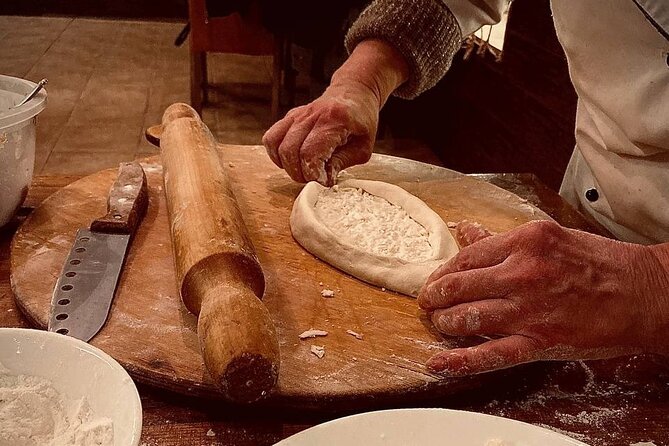
Reviewed · GEORGIAN COOKING CLASSES
Taste of Georgia. Cooking-Class Khinkali, Khachapuri and more
A small-group cooking class in a Georgian family setting is interesting because you are not just watching food videos, you are making dough, sealing fillings, and plating two iconic dishes in about two hours. I like the hands-on focus, especially the step-by-step way they teach dough and technique.
Taste of Georgia. Cooking-Class Khinkali, Khachapuri and more
What I really like is the warm, table-side energy that comes with eating what you cooked, paired with Georgian wine. In particular, a table-side chef named Grisha made the evening feel easy and fun, even if it was your first cooking class.
One thing to consider is that this is not a private tour and there is no private transportation included, so plan to get to the meeting point yourself.
Key Highlights to Know Before You Go
- Khinkali dough taught for elastic, soft texture, with practical guidance on quantities and mixing.
- Filling and closing technique, including the idea of the broth as a key part of the eating experience.
- The turn that keeps khinkali intact, so they do not fall apart while cooking.
- Adjarian khachapuri built for melt and stretch, using cheese chosen for that goal, plus egg yolk on top.
- A family-style class for up to 8 people, offered in English in a cozy, homely environment.
- You might be able to request a variation, and one booking example shows a request for Imeruli khachapuri being accommodated.
Why This Tbilisi Cooking Class Feels More Like Real Life
If you want Georgian food that is more than a restaurant meal, this is a great format. You learn the process behind khinkali and Adjarian khachapuri, then you taste homemade dishes as part of the class.
I like that the teaching stays grounded in what matters for results. You get guidance on dough consistency, filling choices, and the exact handling steps that make or break the final plate.
The setup is also human. The class is hosted in a Georgian family home in a cozy, homely space, not a big impersonal studio. That difference matters, because you end up asking questions instead of just rushing through a demo.
And yes, the evening includes alcohol. In practice, that means your meal feels like an experience you actually want to repeat: cook, taste, sip, and chat.
More Georgian cooking classes:
- Small-Group Khinkali and Khachapuri Cooking Class in Tbilisi
★ 4.5 · 224 reviews - Cook True Ajarian Khachapuri and Khinkali in Highlanders Style
★ 5.0 · 93 reviews - Maia and Nina’s Magic Kitchen
★ 5.0 · 49 reviews
Meeting at Chakandrila, What to Do Before You Start
The meeting point is Georgian Cooking Classes Chakandrila8 Merab Kostava St, Tbilisi, Georgia. The activity ends back at the same meeting point.
Plan for a quick arrival and be ready to start promptly. The workshop is about two hours, so there is not much slack for late arrivals or long detours.
Since the class is near public transportation and offered in English, you can usually fit it into a normal Tbilisi day. Still, because private transport is not included, it pays to map the address before you go and keep it saved offline.
Also, this is a hands-on food class. Wear something you can get a little doughy in, because mixing and shaping are part of the process.
The Two-Dish Flow That Keeps the Evening Moving
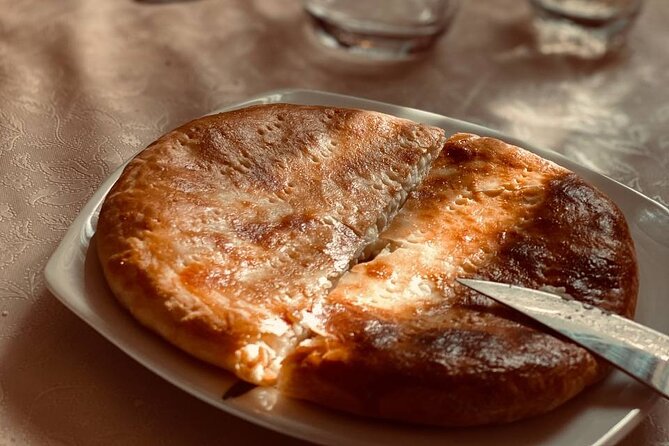
This workshop runs like a cooking rhythm. First you tackle khinkali, then you shift to khachapuri in Adjarian style. The course is designed so you learn core dough skills, then apply them to two different Georgian favorites.
The sample menu is simple and satisfying:
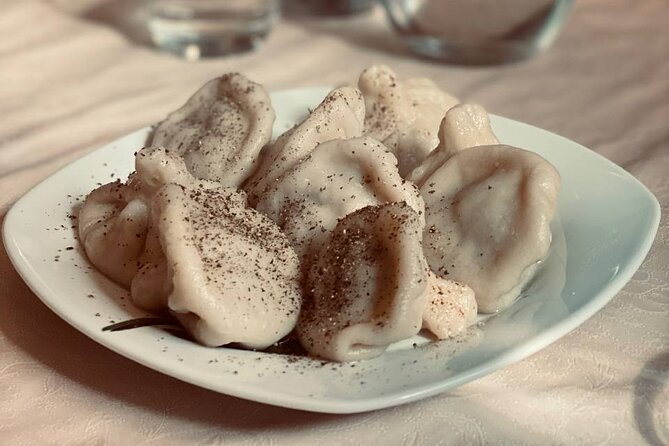
- Starter: Georgian khinkali, with meat, cheese, or mushrooms in their sauce wrapped in dough
- Main: Georgian Adjarian khachapuri, with sticky cheese in dough and egg yolk
Because both dishes are taught in the same session, you get a useful comparison. You see how Georgian cooks think about dough structure, heat, and how fillings behave.
There is also a tasting element built in. You are not just learning technique in theory, you are eating what you helped make.
Khinkali First: Dough, Filling, and the Closing Steps
Khinkali is the pride of Georgian cuisine here, and the class treats it like the main event. They start you with dough, because that is where the texture journey begins.
You learn how to properly select quantities and mix dough so it becomes elastic and soft. That may sound like a small detail, but it is the difference between dough you can shape confidently and dough that fights you.
Then comes the filling. You learn what to put inside so the khinkali has that healing broth idea as part of the eating experience. In other words, the filling and cooking process are tied together, not treated as separate tasks.
Finally, you learn fixing and handling. You find out how to turn khinkali correctly so they do not fall apart while cooking. This is one of those practical lessons that instantly makes you feel like you understand what you are doing.
Even if you have never shaped dumplings before, this is the kind of instruction that gives you confidence fast. The class format is structured, but the steps are clear enough to follow and repeat at home.
More workshops and classes around Tbilisi:
- Taste of Kakheti: Wine Tour Bread Baking & Churchkhela Workshop
★ 4.5 · 46 reviews - Nana’s Kitchen – traditional Georgian cooking class at real Georgian family home
★ 5.0 · 37 reviews - Join a Local for a Market Tour, Cooking Class and Meal in her Tbilisi Home
★ 5.0 · 15 reviews - Georgian Dance Class in Tbilisi, Georgia
★ 5.0 · 10 reviews
Cooking and Tasting Khinkali With Georgian Wine
After you work through dough and shaping, you get to eat the results. That is the magic of a cooking class, you taste your progress right away, not later in a lecture hall.
The included tasting also keeps things honest. You see how the dough holds up, how the filling feels, and how the overall dish lands when it is cooked.
Alcoholic beverages are included, so the meal is not just food, it is also the Georgia social ritual. A glass or two of wine makes the whole thing feel like a proper Georgian evening, not a rushed activity.
One detail I appreciate is that the class does not treat the meal as a final afterthought. It stays connected to the cooking process, so you understand why each step matters.
Adjarian Khachapuri Second: Tender Dough and Stretchy Cheese
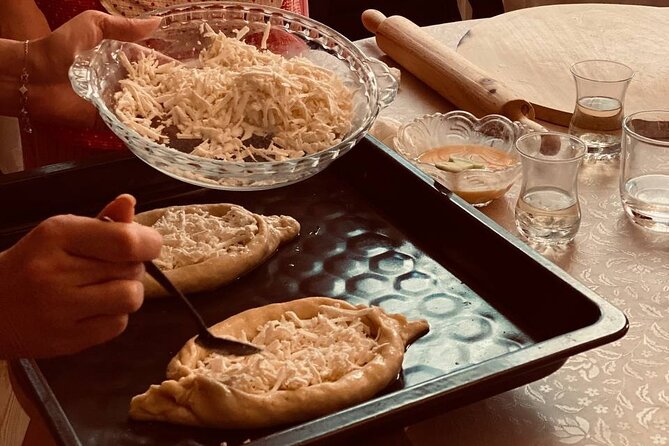
Next you shift gears to khachapuri in Adjarian style. This is where dough skills meet cheese magic.
The teaching covers khachapuri dough so it turns out tender. You are not just mixing ingredients, you are learning how to get the dough to behave the way you need it to.
Then you work with cheese. The goal here is specific: stretchy cheese that melts in your mouth. When a class names the result this clearly, it helps you pay attention to the right choices.
You also learn different ways of arranging the dish. That matters because khachapuri is not only about taste, it is also about form. How you shape and position it affects how it looks and how it’s eaten.
The sample menu description is straightforward: sticky cheese in dough and egg yolk. That egg yolk detail is part of what makes Adjarian khachapuri feel distinct from other regional versions.
If you have a favorite style, you can even ask. One booking experience shows a request for Imeruli khatchapuri being satisfied during the booking stage, so it is worth mentioning your preferences when you reserve.
What the Instructor Support Means in a Small Group
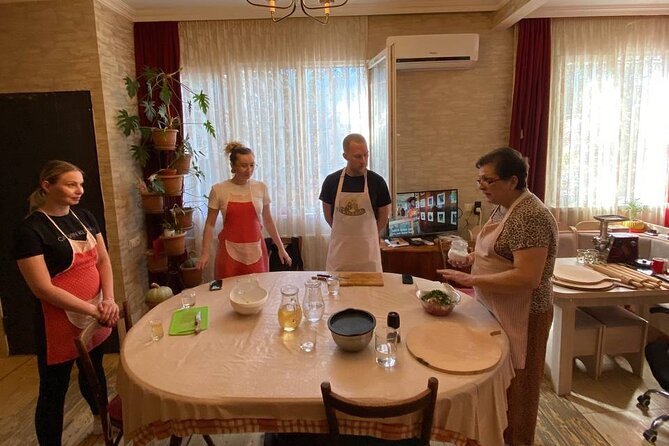
This is limited to a maximum of 8 travelers. For a cooking class, that is the sweet spot for real help without turning into a chaotic free-for-all.
In a small group, you can actually get feedback while you work. That matters a lot for dough handling and sealing steps like the khinkali turning technique.
English is supported, so you do not need to translate food vocabulary in your head. You can focus on what the instructor wants you to do with your hands.
And when someone like Grisha is part of the table-side experience, it adds a friendly energy. You get to ask questions without feeling like you are interrupting, and the whole evening stays relaxed.
Price and Value: Is $98 Worth It?
At $98 per person for about two hours, the price makes sense when you look at what is included. You get a master class for two dishes, tasting of homemade dishes, and alcoholic beverages.
The value is not just the meal. It is the instruction and the chance to build technique you can use again at home. Learning dough texture, filling logic, and handling steps like turning khinkali is the kind of knowledge you cannot get from eating alone.
Also, the group is small. Small-group instruction usually costs more than big-group classes because time and attention are more evenly distributed.
The one cost you should plan for is transportation, because private transportation is not included. If you are already in central Tbilisi and can reach the meeting point using public transit, you likely avoid extra spending and keep this activity affordable.
Practical Tips So You Get the Best Evening
If you want this to feel smooth, show up ready to work. The class involves mixing and shaping, so bring comfortable clothes and expect to get a little flour or dough residue on yourself.
Ask questions early. The skills that matter most here are dough handling, filling choices, and sealing or turning steps. Once you learn those once, the rest of the steps feel easier.
If you have a dish preference, mention it. Based on a real example, requests like Imeruli khachapuri can be accommodated at booking. You cannot assume every request will fit, but asking is reasonable and may improve your experience.
Finally, plan to stay present. This is one of those activities where the enjoyment comes from doing and eating, not from rushing to your next stop.
Who Should Book This Cooking Class
This tour is a good match if:
- You want a hands-on Georgian food experience in Tbilisi, not just a restaurant meal
- You like structured cooking lessons with clear technique goals
- You are traveling with friends and want an evening that feels social and relaxed
- You enjoy learning regional differences, like Adjarian khachapuri specifics and khinkali shaping
It may not be ideal if you only want sightseeing or you are trying to avoid any cooking involvement. This is not a silent museum-style experience. You are expected to participate.
Also, if you dislike alcohol or prefer not to drink, keep in mind that alcoholic beverages are included, even though you can still focus on the cooking and tasting.
FAQ
FAQ
What dishes do I cook in this class?
You cook Georgian khinkali as the starter and Georgian Adjarian khachapuri as the main dish.
How long is the cooking class in Tbilisi?
The duration is about 2 hours.
Is the experience offered in English?
Yes, it is offered in English.
How large is the group?
The experience has a maximum of 8 travelers.
What is included in the price?
It includes a lunch master class on cooking khinkali and khachapuri, plus tasting of homemade dishes.
Are alcoholic beverages included?
Yes, alcoholic beverages are included.
Where do we meet?
You meet at Georgian Cooking Classes Chakandrila8 Merab Kostava St, T’bilisi, Georgia, and the class ends back at the same meeting point.
Is transportation included?
No, private transportation is not included.
When do I receive confirmation after booking?
Confirmation is received at the time of booking.
What is the cancellation policy for a full refund?
You can cancel for free up to 24 hours in advance for a full refund. If you cancel less than 24 hours before the start time, the amount paid is not refunded.
Should You Book Taste of Georgia in Tbilisi?
If you want to leave Tbilisi with real cooking confidence, this is a strong pick. The focus on khinkali technique and Adjarian khachapuri cheese and dough gives you learnable skills, not just a nice meal.
I would book it if you like small-group classes, enjoy food you helped make, and want an evening that feels like a Georgian family dinner. Just make sure you can reach the Chakandrila meeting point on your own, since private transportation is not part of the package.
Recently added around Tbilisi
- Private Adorable City Tour of Tbilisi★ 5.0 · 3 reviews
- Old tbilisi walking tour & wine tasting★ 5.0 · 9 reviews
- Tbilisi Airport to Gudauri, Bakuriani, Batumi, Tbilisi★ 5.0 · 3 reviews
- full day Kazbegi-Gudauri-jvari -from Tbilisi★ 5.0 · 6 reviews
- Vardzia. Lake Paravani, Khertvisi & Lomisa castle, Rabati★ 4.5 · 12 reviews
- Your unique photo session in Tblisi, Georgia★ 3.5 · 4 reviews
- Wine Tasting in Tbilisi★ 5.0 · 8 reviews
- Private Wine Tour In Kakheti Region with 7 Wines and Lunch★ 5.0 · 3 reviews
Georgian Cooking Classes, compared.

Small-Group Khinkali and Khachapuri Cooking Class in Tbilisi
Read our review →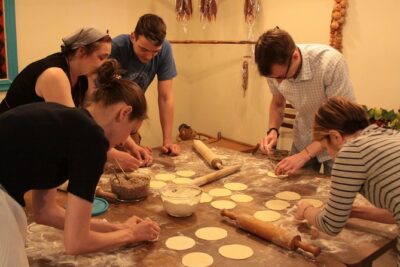
Cook True Ajarian Khachapuri and Khinkali in Highlanders Style
Read our review →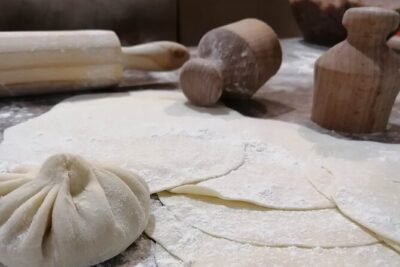

Taste of Kakheti: Wine Tour Bread Baking & Churchkhela Workshop
Read our review →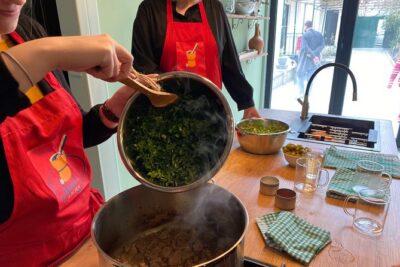
Nana’s Kitchen – traditional Georgian cooking class at real Georgian family home
Read our review →
Join a Local for a Market Tour, Cooking Class and Meal in her Tbilisi Home
Read our review →
Kakheti Wine Tour with 20+ Wine Tastings & Qvevri Masterclass
Read our review →
Kazbegi Adventure – Private Day Trip From Tbilisi with a Dinner + Masterclass
Read our review →Browse the lists this tour appears in